Tokyo: Senso-ji, Shibuya & First-Trip Planning
Published by FlyingWithSources checked
Start with the Tokyo places you want to see, then choose a base and a manageable route. Explore Senso-ji in Asakusa and Hachikō in Shibuya through the owner’s photographs, with practical guidance for getting around.
Find a place to stay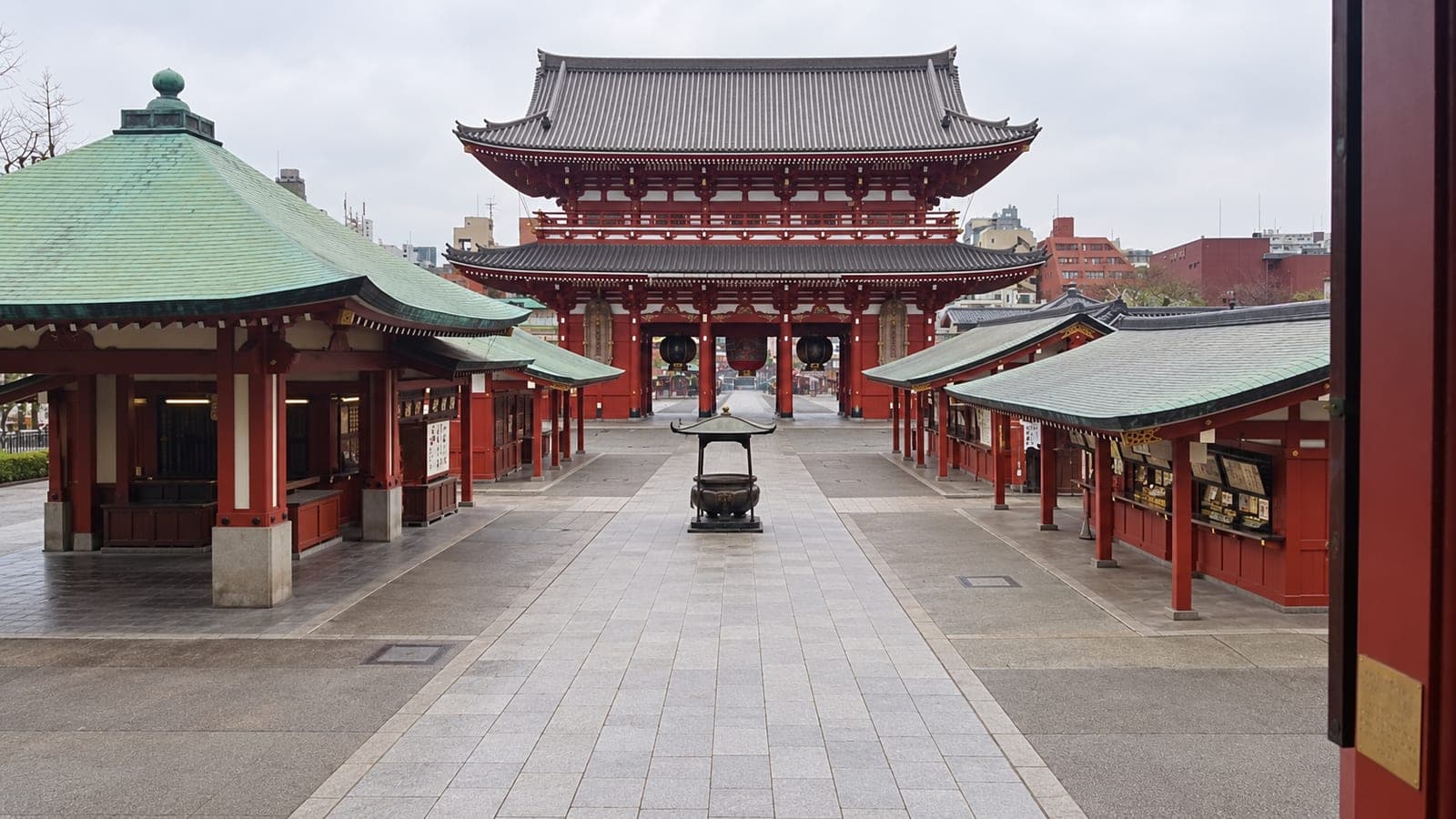
Compare flights when you’re ready.
In pictures
Open a photo for a closer look.
01Official rules and documents
Japan’s Ministry of Foreign Affairs sets visa and entry requirements; check its page for your passport and trip. The Government of Canada’s Japan advice is linked below for safety and entry information. Direct tax-free shopping and baggage questions to Japan Customs, and use the Japan Meteorological Agency for official warnings.
02Arrival and transport in Tokyo
JR East publishes Suica and Welcome Suica options for visitors. Check the format, sales points and top-up conditions of the product you choose before arriving. Do not assume a physical card and a phone app have identical terms.
Identify your airport, terminal and accommodation’s station before choosing a route. Tokyo Metro publishes its lines and services; use the relevant operator for other networks. Check the last departure for the night you need it and any step-free station route you require.
03Make time for Asakusa and Shibuya
Senso-ji is in Asakusa; the Hachikō statue is near Shibuya Station and the scramble crossing. Treat them as separate stops and check the route between them from your accommodation. The temple’s visitor page and GO TOKYO’s Hachikō listing are linked below.
For Asakusa, leave room in your plan for the temple approaches, a meal break and the return journey. For Shibuya, save your station exit and a meeting point before setting out. With a stroller or mobility aid, check the step-free route instead of assuming every station exit is suitable.
04Practical customs that vary by place
When eating outdoors, stop somewhere that keeps the path clear. Follow posted signs and staff directions in stations and on escalators.
Keep a backup way to pay for smaller shops. Ask your bank about supported cards, withdrawal fees and exchange terms, then confirm payment methods with the establishment.
If you have a particular restaurant in mind, ask whether it needs a reservation and how to make one. For a public bath or onsen, check directly about instructions, tattoos and facilities suitable for your group.
05Optional courtesies
A greeting, a thank-you or a polite way to get someone’s attention can help with everyday exchanges. Save your accommodation address in Japanese and prepare a translation app for specific requests. Follow photography notices and ask before including someone in a close-up.
06Choosing a Tokyo base
Compare the accommodation address with your planned outings in Asakusa, Shibuya or elsewhere. The nearest station and the right exit matter as much as the neighborhood name. Check the whole route with your luggage in mind.
For a family or a traveler using a mobility aid, ask about the entrance, lift, bed arrangements and route from the station. Compare the total price and cancellation terms before reserving.
07Planning a day beyond the centre
If you add an excursion, leave room for the journey home and breaks. Check the route, fare and last departures with the rail operator, and confirm access arrangements at the place you want to visit.
08Safety
Read the Government of Canada’s Japan travel advice before departure and official alerts during your stay. Save accommodation contacts and useful emergency information so you can retrieve them offline.
Stay a little longer
Find your place to stay
Choose where to stay, add dates if you have them, and continue to accommodation results through Stay22.
Choose a check-in date, then a duration to set check-out.
Still planning? Leave both dates blank to browse.
Your destination: Tokyo
Affiliate link through Stay22. FlyingWith may earn a commission if you book. The booking provider handles prices and payment.
Going somewhere else? Search worldwideReuse them on other accommodation searches and in another language. Only the dates are kept; clear them when your trip changes.
What should the property confirm?
Choose the arrangements you want to check before paying.
These are questions for the property. They do not filter the search results, and your choices stay on this page.
Keep a useful travel checklist in your inbox
Get the free checklist link and occasional FlyingWith travel tips. Your saved trip answers stay on this device.
Open the free trip checklist →Official sources
Rules and amounts change. Before you rely on anything marked as an official rule, check the source. These are the official pages we used.
- Suica and Welcome Suica for visitors (sales points, terms, wallet apps) · JR East · checked Sells Suica and Welcome Suica, and sets their terms, sales points and formats.
- Tokyo Metro (lines, fares, service information) · Tokyo Metro · checked Publishes its lines, fares, timetables and last trains.
- Travel advice and advisories: Japan · Government of Canada · checked Entry requirements and the current safety assessment.
- Visas and entry to Japan · Ministry of Foreign Affairs of Japan · checked Sets visas and entry requirements.
- Suica: deposit, refunds and top-ups · JR East · checked Sets the regular Suica's deposit, its refund terms and how it is topped up.
- Senso-ji visitor information · Senso-ji · checked Describes the temple, its buildings and visitor access.
- Hachikō statue and access · Tokyo Convention & Visitors Bureau · GO TOKYO · checked Identifies the statue’s Shibuya location and nearby transport.
- Pasmo cards: the Pasmo operator.
- Timetables and fares on other lines: each operator, Toei among them.
- Tax-free shopping and what you may bring in or out: Japan Customs.
- Earthquake, typhoon and weather warnings: the Japan Meteorological Agency.
Share this guide
Saves a reading copy on this device, visible to anyone using it. Checklist answers and bookings are not saved. Browser storage can be cleared automatically; check your saved guides before travelling.
Help keep this page accurate
Opens an email draft with this page’s public link. You can review it before sending.
Continue planning
Flying there with a particular need
Not sure which applies to your trip? Build your trip profile
Travelling with others? Split costs without accounts.
Travel essentials
Complete your travel plans
Choose the service you need, then compare the offer and its terms with the provider.
Mobile data for your trip
Compare an eSIM with your carrier’s roaming offer and a local SIM. An eSIM only helps if your exact device and the plan suit the trip.
Affiliate partner options
Affiliate links through Travelpayouts. FlyingWith may earn a commission on an eligible purchase or paid service.
Build my eSIM shopping list →Checks before choosing
Installing an eSIM and starting its validity period can be different events. Follow the chosen plan’s instructions. The checklist is a reminder, not an automatic device check.
- Check the device model, purchase region and network lock with the provider before paying.
- Compare the countries covered, data allowance, validity start, hotspot rules and any speed limits.
- Check whether calls and SMS are included. Save maps, the hotel address and installation instructions for offline use.
Getting from the airport
Compare the airport’s official public transport and taxi information with a prebooked transfer. Choose based on the whole journey to your accommodation.
GetTransfer is a transfer marketplace. Availability and suitability depend on the offer; a listed vehicle does not confirm accessible transport or a child seat.
Affiliate partner options
Affiliate links through Travelpayouts. FlyingWith may earn a commission on an eligible purchase or paid service.
Take these details to your airport pickup quote
Copy these questions into your request. A marketplace listing alone does not confirm a child seat or accessible vehicle.
0 of 4 pickup details reviewed
Checks before choosing
- Confirm the exact terminal, meeting point, luggage space and contact method if your flight changes.
- Ask for written confirmation of any child seat, pet or mobility requirement before payment.
- Read the total price, waiting policy, cancellation deadline and refund method for the specific offer.
The provider handles prices, booking terms, payment and support. Review the details there before paying.
Sources checked