Budapest: Airport Arrival, the Danube Banks and a First-Day Plan
Published by FlyingWithSources checked
Budapest suits first-time visitors, travellers who want a capital split by a river into Buda and Pest, and anyone who plans to walk the centre and ride trams for the rest. This page covers the entry check, the airport bus BKK itself publishes, where the ticket rules catch people out, where to stay among Belvaros, the Jewish Quarter and Buda, and how to pace a first day. The mistake first-timers make most often is assuming an ordinary city ticket or travelcard covers the airport bus.
Find a place to stay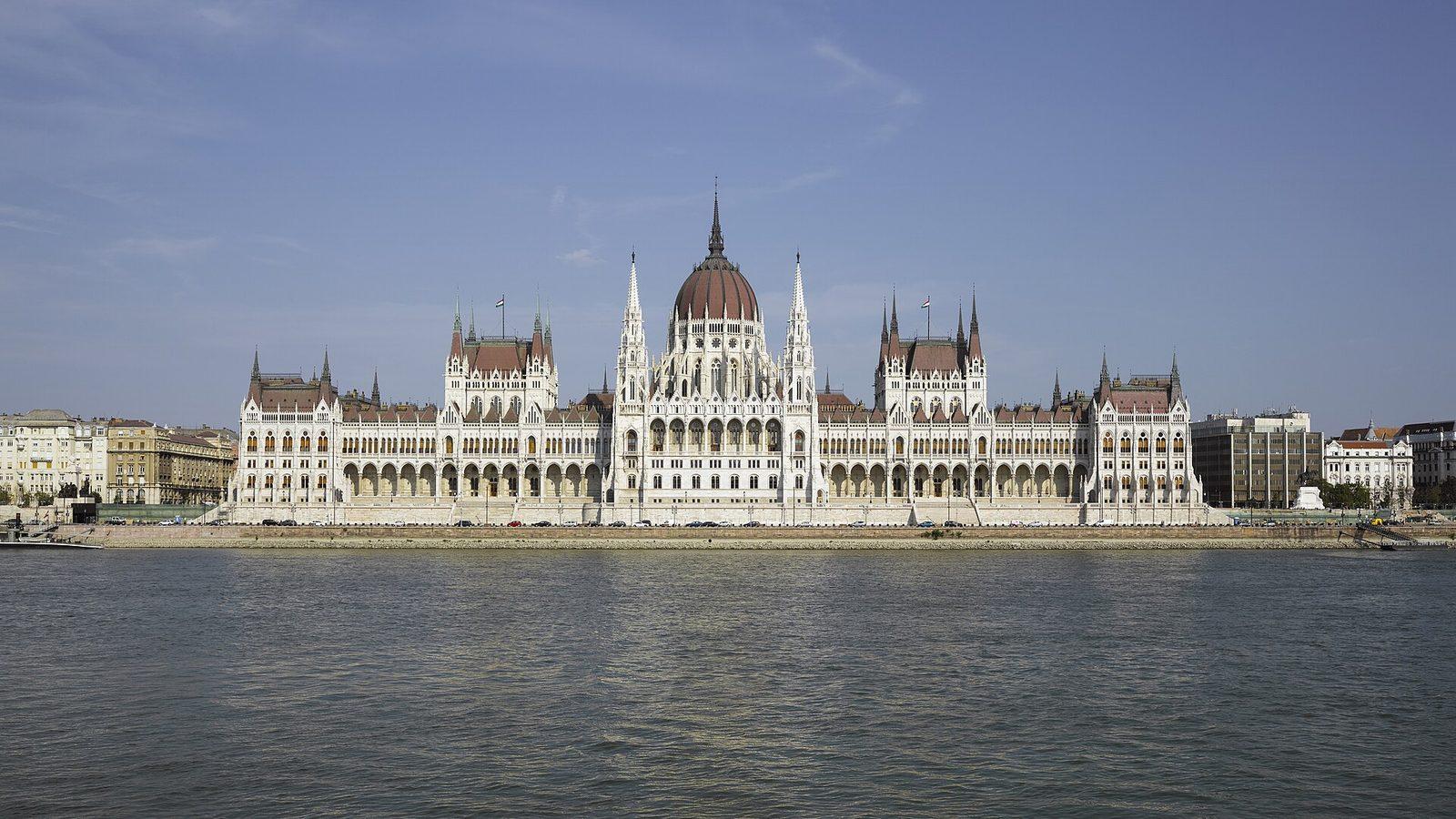
Compare flights when you’re ready.
In pictures
Open a photo for a closer look.
01Official rules: where they are set
Entry and exit rules, laws that differ from Canada's and the current safety assessment for Hungary are published by the Government of Canada in its travel advice for Hungary, linked in the sources below. Hungary sits inside the Schengen area, and the Canada page sets out what that means for Canadian passports, including the passport validity it requires beyond the planned departure from the Schengen area.
The Government of Canada also flags the European Travel Information and Authorization System, or ETIAS, and states that applications are not yet open and that travellers should apply only through the official EU website once the system launches. Canada's page also notes that the Schengen Entry/Exit System collects a facial image and fingerprints on entry, with no action needed before travel. Travellers whose nationality, purpose or length of stay differs should check the Canada page and the Hungarian authorities before booking, because detailed visa rules are not repeated here.
02Getting there and around: verified transport information
Budapest Ferenc Liszt International Airport is served by one direct public bus into the centre. BKK, the Budapest transport authority, states that the 100E Airport Express runs between the airport and Deák Ferenc tér, one of the city's major transport hubs where three metro lines meet, running via Kálvin tér. BKK gives the journey time to the city centre as 40 minutes and states that the service operates around the clock, seven days a week: every 6 to 10 minutes during the day on Mondays and Fridays, every 7 to 10 minutes during the day on other days, every 10 to 15 minutes in the mornings and evenings, and every 30 to 40 minutes on average at night. Boarding is by the front door only, and BKK describes low-floor, air-conditioned articulated buses with ample room for luggage.
The second airport bus works differently. BKK states that bus line 200E also operates 24 hours a day, that passengers on it need a valid ordinary ticket or pass, and that the airport shuttle bus ticket and its add-on are not accepted on the 200E. The 200E is the route to the metro for travellers whose ordinary BKK ticket or pass is already in hand, while the 100E is the direct ride to Deák Ferenc tér. There is no rail station at the terminal itself, so every public route into the centre starts on one of these two buses.
The ticket rule is the part to get right before boarding. BKK states that the 100E is to be used only with the 2,500 HUF Airport shuttle bus single ticket, bought and validated on board with a bank card through Budapest Pay&GO, in the BudapestGO app, or at BKK customer centres, ticket offices and vending machines, or with the add-on airport shuttlebus single ticket. The add-on costs 1,000 HUF, is sold in the BudapestGO app, and requires a valid Budapest-pass, with the 15-day pass excluded, a Pest County Pass or a Hungary Pass. BKK's tickets and passes pages publish the ordinary tickets, travelcards and passes for the rest of the network, and list the Budapest Card separately as the city's official sightseeing card: it is a different product from a BKK travelcard, and neither product changes the 100E rule above. BKK also states that children under 14 with a Hungarian student ID card, citizens of any country over the age of 65, and travellers entitled to free travel for health reasons ride the Airport Express free of charge, under the conditions BKK publishes.
Canada's travel advice for Hungary is specific about taxis: use only officially marked taxis, call a taxi through a dispatcher rather than hailing one on the street, and make sure the meter is on and charging the rate displayed in the taxi. Where overcharging is suspected, Canada's page advises noting the taxi information, asking for a receipt and contacting the taxi company. Step-free access varies across the metro network, while the 100E buses are low-floor; Budapest Airport publishes its own information for passengers with reduced mobility, and airport assistance is arranged through the airline before flying.
03Getting it right on the ground: practical customs that vary
The currency is the Hungarian forint, written HUF. Cards are accepted in hotels, larger restaurants and chain shops in the centre, and cash in forints remains useful for small cafés, market stalls and small purchases. Prices are quoted in forints, and a price shown in euros at a till or a bureau is converted at that seller's own rate, so the forint figure is the one to compare. Bank and card fees are set by the visitor's own bank.
Hungarian is the working language, and it is unrelated to the languages most visitors know, so signage words are worth learning on sight: kijárat is an exit, bejárat an entrance, and the metro and tram announcements pair Hungarian with English at the main stops. Staff in central hotels and transport offices commonly work in English. Mobile data works across the centre; the eSIM checklist linked below covers setting data up before landing, and the BudapestGO app covers BKK journey planning and mobile tickets once data is running.
The scam Canada's page names for Hungary is the unpriced bill. A small number of restaurants and clubs, particularly in areas frequented by tourists, do not list prices, and some bills arrive with large surcharges for drinks or meals; travellers unable to pay have been accompanied to an ATM by security staff. Canada's advice is to ask to see a menu with prices clearly listed before ordering, to avoid arguments about overcharging, and not to ask taxi drivers to recommend bars or clubs.
04Optional courtesies
A greeting opens most interactions: Jó napot, good day, during business hours, with Köszönöm for thank you and Kérem for please. Hungarian address is formal by default in shops and offices, and a visitor using the formal forms is following the local pattern rather than being stiff. None of this is expected of a visitor, and English is accepted in the centre, but the Hungarian words are noticed.
In restaurants, service is not always included, so the bill itself is the document to read; rounding up or adding a small amount in cash is the usual courtesy where service was good. In the thermal baths, the pattern is a shower before entering the pools and a swimming cap in the lap pools at some baths, with the rules posted at each bath. Holding a door and giving up a seat on a crowded tram are the small courtesies the city runs on.
05Where to stay: Belvaros, the Jewish Quarter and Buda
Belvaros, the inner city of Pest in District V, is the flat, formal centre around Deák Ferenc tér, Váci street and the Parliament embankment: the 100E ends here, metro lines meet here, and most first stays land here. The Jewish Quarter, in District VII just east of Belvaros around the Great Synagogue and Kazinczy street, is a denser grid of restaurants, bars and small hotels, lively late into the night, served by Astoria and Deák Ferenc tér stations.
Buda, across the Chain Bridge, is the third option: the Castle District and the streets below Gellért hill are quieter and more residential, with the river and Pest in view, at the price of a bridge crossing or a bus ride for most evening plans. The choice is between Belvaros for the flattest and most connected base, the Jewish Quarter for evenings on foot, and Buda for quiet streets and the castle side of the river.
06Walking: the Danube promenade and the bridge crossings
The Pest embankment gives the centre its walking spine. From the Parliament the promenade runs south along the Danube past the Chain Bridge towards the Great Market Hall, on a wide, mostly flat riverside surface, with tram line 2 running the same ground for the rides back. Belvaros and the Jewish Quarter walk as one grid behind the embankment, flat and closely spaced, so a day on foot covers both without a plan.
The crossing to Buda is the walk that changes the level. The Chain Bridge carries a pedestrian walkway on each side, and the Buda end lands below the Castle District, where the ground climbs: the castle streets and the Fisherman's Bastion sit above the river, reached by steps, sloping streets or the funicular and buses. Andrássy Avenue, running northeast from Deák Ferenc tér towards Heroes' Square, is the flat alternative, a long straight boulevard walk with the M1 metro underneath it for the ride back.
07A first day in Budapest: one bus, one bank, an early night
Morning: land at Terminal 2, buy or validate the 100E airport ticket before boarding, and ride the one bus to Deák Ferenc tér or Kálvin tér, whichever ends nearest the hotel. Check in or leave bags, then walk the immediate streets of the base, Belvaros or the Jewish Quarter, to fix the geography before any sightseeing. The first ordinary BKK ticket or travelcard is bought at this point, not at the airport bus door.
Afternoon: take the flat walk the city offers first, along the Pest embankment from the Parliament towards the Chain Bridge, with the Great Market Hall at the southern end for an indoor stop. From Buda stays, the same afternoon works in reverse, down to the bridge and across into Pest. One interior, a bath, a museum or the market hall, is enough for an arrival day, and opening arrangements are checked on the venue's own site before setting out.
Evening: eat near the hotel, in a Belvaros side street or the Jewish Quarter, asking for a menu with prices before ordering, and learn the nearest metro station's entrances while it is still light. Budapest rewards an early night on arrival and a full second day; the castle side, the baths and the avenue to Heroes' Square all keep.
08Common visitor mistakes
Boarding the 100E on an ordinary single ticket or a travelcard: BKK states the bus is to be used only with the 2,500 HUF airport shuttle bus single ticket or the 1,000 HUF add-on tied to a valid pass. The mirror error is trying to use the airport ticket on the 200E, where BKK states it is not accepted. Buying the Budapest Card expecting it to settle the airport bus is the third version of the same mistake: BKK lists the card separately from its tickets and passes, and the 100E rule stands on its own.
Hailing an unmarked car or accepting a ride offered inside the terminal, when Canada's advice is to use officially marked taxis booked through a dispatcher, with the meter on. Ordering drinks in a bar where no priced menu has been seen, which is the pattern behind the overcharging cases Canada's page describes. Planning the return to the airport on the last possible 100E is the quieter error: BKK publishes the night frequency at every 30 to 40 minutes on average, so the return leg belongs in the plan with a bus to spare.
09Safety
The Government of Canada's travel advice for Hungary, linked below, is the primary source for the current safety assessment, laws and entry requirements, and it should be read before booking and again before flying. Canada's page notes that petty crime, including pickpocketing and bag snatching, occurs, that thieves target tourists, and that theft is particularly reported in crowded public areas such as buses, trains, bus and train stations, airports, shopping centres and public markets.
The practical habits are the ordinary ones for a large city: keep personal belongings, including the passport, in a secure place, avoid showing signs of affluence and avoid carrying large sums of cash, as Canada's page advises. Demonstrations occur periodically in Budapest and can disrupt traffic and public transport, so the advice on Canada's page is to avoid demonstration areas, follow local authority instructions and monitor local media. In restaurants and bars, the priced menu check from the customs section above is also a safety habit.
10If you're flying with something particular
Mobility: Pest is the flat side of the city and Buda is the hill side, so the base decides how much climbing a stay involves. The 100E buses are low-floor with room for luggage, the embankment promenade is wide and mostly level, and the Castle District climbs on steps and slopes. Metro step-free access varies by station, so the station is checked before the hotel is booked. Budapest Airport publishes services for passengers with reduced mobility, airport assistance is arranged through the airline, and the mobility pages linked below cover what to request.
Solo and first-time trips: the first journey is the simplest one the network offers, one bus from the terminal to Deák Ferenc tér, with the hotel address saved offline before landing. Travellers on their own should use officially marked taxis called through a dispatcher for late returns, as Canada's advice directs, and keep first evenings in the lit central districts of Pest. Medication and medical equipment travel in cabin baggage, checked against the airline's own rules, which the medical pages below summarise.
Stay a little longer
Belvaros or the Jewish Quarter?
Choose the base that fits the trip. Switch between the two areas while keeping the same dates.
Before booking in Belvaros
- Confirm how the late-night 100E frequency fits the return flight time.
- Ask for a room away from the main avenues if sleep matters more than the view.
- Check whether the building has a lift, as many inner city blocks are walk-up at the top floors.
Choose a check-in date, then a duration to set check-out.
Still planning? Leave both dates blank to browse.
Your destination: Belvaros
Affiliate link through Stay22. FlyingWith may earn a commission if you book. The booking provider handles prices and payment.
Going somewhere else? Search worldwideReuse them on other accommodation searches and in another language. Only the dates are kept; clear them when your trip changes.
What should the property confirm?
Choose the arrangements you want to check before paying.
These are questions for the property. They do not filter the search results, and your choices stay on this page.
Keep a useful travel checklist in your inbox
Get the free checklist link and occasional FlyingWith travel tips. Your saved trip answers stay on this device.
Open the free trip checklist →Take it with you
Your pocket guide
Keep your next steps and useful phrases together in a colourful PDF travel card, ready to save or print.
Before you book
0 of 4 checked
Your checks stay in this tab when you reload or return to this guide. Reset them here, or close the tab when you finish.
Add a calendar reminder
A few useful words
Hungarian
Hungarian is the language of Budapest. The phrases cover common greetings and requests; kijárat means exit and bejárat means entrance.
- Jó napot.
- Good day.
- Köszönöm.
- Thank you.
- Kérem.
- Please.
- Elnézést, beszél angolul?
- Excuse me, do you speak English?
- Hol van a Deák tér?
- Where is Deák Ferenc tér?
- Mennyibe kerül?
- How much does it cost?
Official sources
Rules and amounts change. Before you rely on anything marked as an official rule, check the source. These are the official pages we used.
- Travel advice and advisories: Hungary · Government of Canada · checked Entry and exit requirements for Canadians, passport validity and Schengen notes, taxi guidance, and the current safety assessment for Hungary.
- Budapest Ferenc Liszt International Airport · Budapest Airport · checked Airport services and information, including facilities for passengers with reduced mobility and for families travelling with children.
- Airport Express: bus line 100E · BKK (Centre for Budapest Transport) · checked The 100E route, journey time, frequencies, the airport shuttle ticket and add-on rules, and the 200E ticket rule.
- Budapest Info: the official tourist website of Budapest · Budapest Info (Budapest Brand) · checked The official visitor information for Budapest: neighbourhoods, sights, gastronomy and events.
- Tickets and passes · BKK (Centre for Budapest Transport) · checked BKK ticket and pass types and prices, the BudapestGO app, Budapest Pay&GO, and the Budapest Card as a separate product.
- Entry rules, passport validity and safety updates for Hungary: the Government of Canada.
- 100E and 200E times, frequencies and ticket rules on the day: BKK.
- Which ticket, travelcard, pass or Budapest Card product fits the trip: BKK.
- Airport services, including reduced mobility support: Budapest Airport.
Share this guide
Saves a reading copy on this device, visible to anyone using it. Checklist answers and bookings are not saved. Browser storage can be cleared automatically; check your saved guides before travelling.
Help keep this page accurate
Opens an email draft with this page’s public link. You can review it before sending.
Continue planning
Flying there with a particular need
Not sure which applies to your trip? Build your trip profile
Travelling with others? Split costs without accounts.
Before you fly there
- Airport Transfer Checklist: Compare the Whole JourneyCompare public transport, taxis and prebooked airport transfers. Check pickup instructions, total cost, luggage, access and delay terms before paying.
- Travel eSIM Checklist: What to Check Before BuyingCheck device compatibility, coverage, activation and plan limits before buying a travel eSIM. Compare it with roaming and a local SIM, then save a backup.
Travel essentials
Complete your travel plans
Choose the service you need, then compare the offer and its terms with the provider.
Mobile data for your trip
Compare an eSIM with your carrier’s roaming offer and a local SIM. An eSIM only helps if your exact device and the plan suit the trip.
Affiliate partner options
Affiliate links through Travelpayouts. FlyingWith may earn a commission on an eligible purchase or paid service.
Build my eSIM shopping list →Checks before choosing
Installing an eSIM and starting its validity period can be different events. Follow the chosen plan’s instructions. The checklist is a reminder, not an automatic device check.
- Check the device model, purchase region and network lock with the provider before paying.
- Compare the countries covered, data allowance, validity start, hotspot rules and any speed limits.
- Check whether calls and SMS are included. Save maps, the hotel address and installation instructions for offline use.
Getting from the airport
Compare the airport’s official public transport and taxi information with a prebooked transfer. Choose based on the whole journey to your accommodation.
GetTransfer is a transfer marketplace. Availability and suitability depend on the offer; a listed vehicle does not confirm accessible transport or a child seat.
Affiliate partner options
Affiliate links through Travelpayouts. FlyingWith may earn a commission on an eligible purchase or paid service.
Take these details to your airport pickup quote
Copy these questions into your request. A marketplace listing alone does not confirm a child seat or accessible vehicle.
0 of 4 pickup details reviewed
Checks before choosing
- Confirm the exact terminal, meeting point, luggage space and contact method if your flight changes.
- Ask for written confirmation of any child seat, pet or mobility requirement before payment.
- Read the total price, waiting policy, cancellation deadline and refund method for the specific offer.
The provider handles prices, booking terms, payment and support. Review the details there before paying.
Sources checked