London: Airport Arrivals, the Tube and a First-Day Plan
Published by FlyingWithSources checked
London suits first-time visitors, business travellers and anyone who wants a city that runs on rail: several airports feed one centre, and the Tube joins the parts together. This page covers the entry check that now comes first, the airport routes Heathrow itself publishes, where to stay among Westminster, South Kensington and King's Cross, and how to pace a first day. The mistake first-timers make most often is treating the airports as one place and the first ride as an afterthought.
Find a place to stay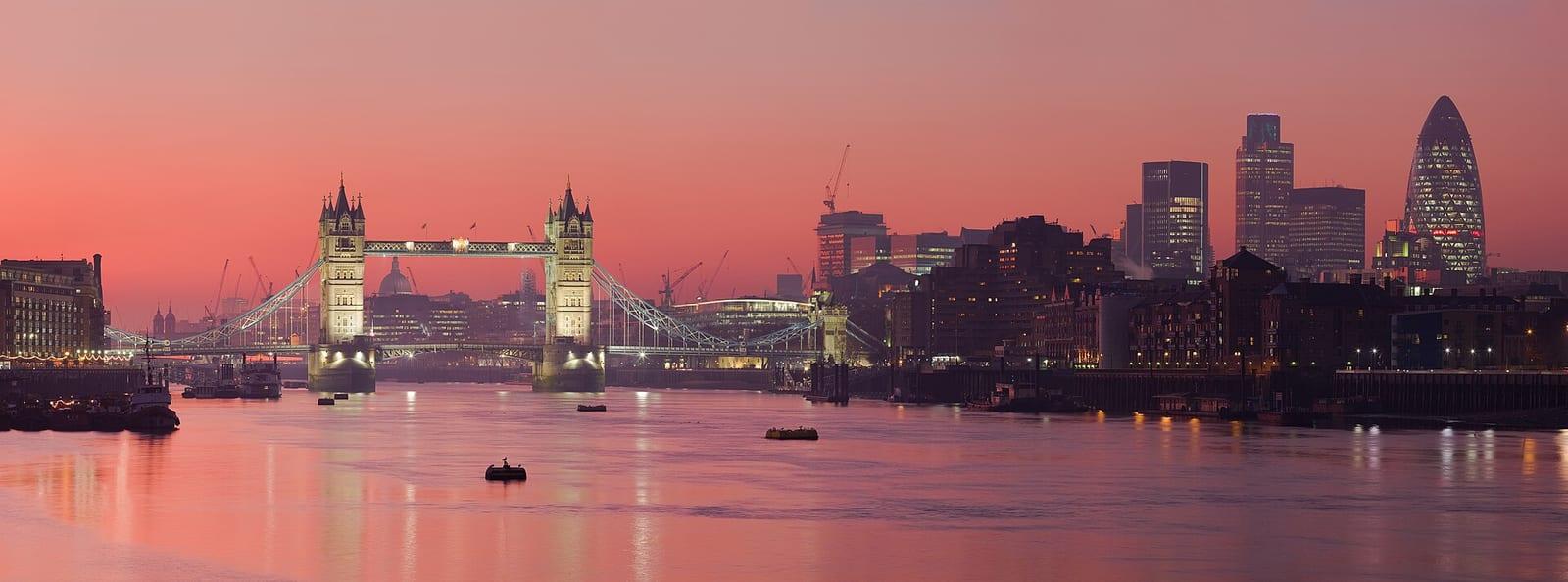
Compare flights when you’re ready.
In pictures
Open a photo for a closer look.
01Official rules: where they are set
Entry and exit rules, laws that differ from Canada's and the current safety assessment for the United Kingdom are published by the Government of Canada in its travel advice for the United Kingdom, linked in the sources below. GOV.UK, the United Kingdom government's own site, publishes the entry system that applies at the border, including the Electronic Travel Authorisation, or ETA.
GOV.UK states that an ETA lets a visitor travel to the UK for up to 6 months, costs £20, and lasts for 2 years or until the passport used expires, whichever comes sooner. GOV.UK also states that an ETA does not guarantee entry, that each traveller, including babies and children, needs one, and that a decision usually arrives by email within a day, although it can take up to 3 working days. The Government of Canada adds that a regular Canadian passport must be valid for at least the expected duration of the stay. Travellers whose nationality, purpose or length of stay differs should check GOV.UK and the Canada page before booking, because neither set of detailed visa rules is repeated here.
02Getting there and around: verified transport information
London's airports are Heathrow, Gatwick, Stansted, Luton and London City. Heathrow, the airport most long-haul flights use, publishes three rail routes into the centre. Its site lists the Heathrow Express reaching Paddington in 15 minutes, with non-stop trains every 15 minutes and prices starting from £10 when booked in advance. The same page lists the Elizabeth line reaching central London in under 45 minutes, at £13.90 to Zone 1, and coaches to Victoria coach station starting from £10.
Heathrow's site lists the London Underground, called the Tube, reaching central London in under an hour, with trains every 10 minutes and prices starting from £5.50. Heathrow has three Underground stations, at Terminals 2 and 3, at Terminal 4 and at Terminal 5, and the Piccadilly line from those stations serves South Kensington, Green Park and King's Cross St Pancras without a change. Gatwick, Stansted and Luton each have their own rail and coach links, and London City connects by light rail; the operator for the chosen airport publishes those times and fares.
Inside London, Transport for London, or TfL, runs the Tube, buses, the Docklands Light Railway and the Elizabeth line, and publishes fares, caps and Travelcards on its fares pages. Payment is by contactless bank card, phone or Oyster card: TfL's fares pages explain how pay as you go works, how daily and weekly caps are applied, and how to use the Single Fare Finder for a station to station price. Visitors tap in and tap out on rail services with the same card or device throughout, so the cap is calculated correctly.
Black cabs can be hailed or taken from ranks outside the terminals, and Heathrow advises allowing at least an hour to reach central London by car, because road times vary with traffic and time of day. Minicabs and app cars must be booked rather than hailed. Step-free access varies sharply by station: some central stations have lifts to every line and others have stairs only, so travellers who need step-free routes should check the station on TfL's site before choosing where to stay or which airport route to take.
03Getting it right on the ground: practical customs that vary
The currency is the pound sterling. Cards and contactless payment are accepted almost everywhere a visitor is likely to pay, including on transport, and cash is still useful for small purchases and for a market stall that does not take cards. Bank and exchange fees are set by the visitor's own bank, so the figure to check before flying is the card's foreign transaction fee, not an exchange rate quoted in advance.
English is the working language, and station signage is in English only in most places. Two local terms carry much of the system: the Tube means the Underground network, and way out, not exit, is the wording on station signs. A single is a one-way ticket and a return covers the trip back. Mobile data works across the centre; the eSIM checklist linked below covers setting data up before landing so the first Tube ride can be planned from the arrivals hall.
Queueing is the standing etiquette: for buses, tickets and coffee, the line is the system, and standing on the right on escalators while others walk on the left keeps stations moving. On the scams side, the pattern to refuse is an unlicensed driver offering a ride inside the terminal: licensed black cabs wait at ranks outside, and booked cars meet at agreed points. Restaurant bills may already include a service charge, so the bill itself is the document to read before adding anything further.
04Optional courtesies
A please and a thank you attach to nearly every request, including to bus drivers when boarding and leaving. Cheers is used as an informal thanks. None of this is tested, and nobody expects an accent; the words themselves do the work.
In pubs, drinks are ordered and paid for at the bar rather than at the table, and rounds, where one person buys for a group in turn, are a social custom rather than an obligation for a visitor. Holding a door and a brief sorry when brushing past someone in a crowd are the small courtesies that London runs on.
05Where to stay: Westminster, South Kensington and King's Cross
Westminster, on the south bank of the Thames by the Houses of Parliament and Westminster Abbey, is the most central base of the three: flat, monumental and quiet at night, with the South Bank walk starting at the door. South Kensington, in the west, is a residential district of white terraces built around the Natural History Museum, the Science Museum and the Victoria and Albert Museum, served by its own Tube station on the Piccadilly line direct from Heathrow.
King's Cross, in the north of the centre, is the rail base: St Pancras and King's Cross stations put national trains and the Piccadilly line in the same building complex, and the streets behind the station are newer, flatter and more step-free than much of the centre. The choice is between Westminster for walking to the river sights, South Kensington for the museums and a quieter street, and King's Cross for onward trains and an easier arrival with luggage.
06Walking: the Thames path and the museum streets
The Thames Path gives the centre its walking spine. From Westminster Bridge the South Bank runs east past the London Eye and the Southbank Centre towards Borough Market and Tower Bridge, on a wide, mostly flat riverside surface, with bridges back to the north bank at regular intervals. It is the simplest first walk in the city because the river does the navigating.
South Kensington walks well in a different way: Exhibition Road and the museum streets are wide and level, and Kensington Gardens and Hyde Park continue the same ground to the north. King's Cross walks along the Regent's Canal towpath, flat and traffic free, towards Camden in one direction and Angel in the other. In all three areas the practical limit is not distance but crossings: traffic drives on the left, and the painted look right and look left reminders at kerbs exist because visitors habitually check the wrong side first.
07A first day in London: one ride, one walk, an early night
Morning: land, clear the border with the passport the ETA is linked to, and ride one rail route only, the one that ends nearest the hotel. The Heathrow Express suits a Westminster or Paddington side stay, the Piccadilly line suits South Kensington and King's Cross, and the Elizabeth line suits the City side. Check in or leave bags, then walk the immediate streets to fix the geography of the base before any sightseeing.
Afternoon: take the flat walk the base offers. From Westminster, cross the bridge and follow the South Bank east at an easy pace, stopping where the crowds gather rather than on a schedule. From South Kensington, one museum, entered for a short visit rather than a full circuit, is enough for an arrival day. From King's Cross, the canal towpath gives the same gentle option without traffic.
Evening: eat near the hotel, learn the nearest Tube station's entrances while it is still light, and buy nothing that needs planning until sleep has reset the clock. London rewards an early night on arrival and a full second day; the museums, markets and river all keep, and jet lag is the only appointment that cannot be moved.
08Common visitor mistakes
Buying a paper single ticket for every ride instead of tapping contactless or Oyster, which TfL's fares pages price and cap automatically. Standing on the left of an escalator and blocking the walking side. Taking an unlicensed car offered inside the terminal. Planning Heathrow to a meeting with no margin: Heathrow itself advises at least an hour by car, and rail disruption days exist, so the airport leg belongs in the plan with time to spare.
Treating all of London's airports as interchangeable when booking: a low fare into Stansted or Luton can add a long surface leg at each end, and the last trains of the day matter on late arrivals. Assuming every central Tube station is step-free. Carrying the passport used for the ETA in a different bag from the one used at check-in: GOV.UK states the ETA is linked to that passport, and the traveller must travel on it.
09Safety
The Government of Canada's travel advice for the United Kingdom, linked below, is the primary source for the current safety assessment, terrorism guidance and laws, and it should be read before booking and again before flying. Canada's page notes that petty crime, including pickpocketing and phone theft, is common in crowded tourist areas and on transport, and names areas such as Piccadilly Circus, Trafalgar Square and Leicester Square.
The practical habits are the ordinary ones for a large city: keep a phone in hand only when it is in use, keep bags closed and in front in crowds, use licensed black cabs or booked cars rather than cars offered by touts, and keep a copy of the passport separate from the original, as Canada's page advises. Demonstrations take place regularly in central London and can disrupt traffic and transport; the advice on Canada's page is to avoid the area, follow local authority instructions and monitor local media.
10If you're flying with something particular
Mobility: step-free access is station by station, not line by line. TfL publishes step-free information for every station, and Heathrow's rail routes differ: the Elizabeth line and Heathrow Express stations at Heathrow are step-free from train to terminal, while older Tube stations in the centre may have stairs only. Airport assistance is arranged through the airline before flying, and the mobility pages linked below cover what to request and when.
Business and first-time trips: King's Cross and the Elizabeth line corridor put the City and Canary Wharf within one ride, and early trains to Heathrow matter more than a central postcode for a morning departure. First-time visitors should keep the first journey simple, one airport route and one station, and save multi-change routes for day two. Travellers with medical equipment or medication should carry it in cabin baggage and check the airline's own rules, which the medical pages below summarise.
Stay a little longer
Westminster or South Kensington?
Choose the base that fits the trip. Switch between the two areas while keeping the same dates.
Before booking in Westminster
- Check which Tube lines the nearest station serves, and whether it is step-free.
- Ask how late the streets stay busy, and request a room away from the main road.
- Confirm the airport route that ends nearest the hotel before booking flights.
Choose a check-in date, then a duration to set check-out.
Still planning? Leave both dates blank to browse.
Your destination: Westminster
Affiliate link through Stay22. FlyingWith may earn a commission if you book. The booking provider handles prices and payment.
Going somewhere else? Search worldwideReuse them on other accommodation searches and in another language. Only the dates are kept; clear them when your trip changes.
What should the property confirm?
Choose the arrangements you want to check before paying.
These are questions for the property. They do not filter the search results, and your choices stay on this page.
Keep a useful travel checklist in your inbox
Get the free checklist link and occasional FlyingWith travel tips. Your saved trip answers stay on this device.
Open the free trip checklist →Take it with you
Your pocket guide
Keep your next steps and useful phrases together in a colourful PDF travel card, ready to save or print.
Before you book
0 of 4 checked
Your checks stay in this tab when you reload or return to this guide. Reset them here, or close the tab when you finish.
Add a calendar reminder
A few useful words
English
English is the language of London, and the local transport terms are the part to learn: the Tube is the Underground, a way out is an exit, a single is a one-way ticket and a return covers the trip back.
- Way out
- The exit from a station or building, as the signs word it.
- A single to King's Cross, please.
- A one-way ticket to King's Cross.
- A return, please.
- A ticket that also covers the trip back.
- Mind the gap.
- The platform announcement warning about the space between train and platform.
- Which platform for Heathrow?
- Asking which platform the Heathrow train leaves from.
- Is this seat taken?
- Asking whether a free looking seat is already claimed.
Official sources
Rules and amounts change. Before you rely on anything marked as an official rule, check the source. These are the official pages we used.
- Travel advice and advisories: United Kingdom · Government of Canada · checked Entry and exit requirements for Canadians, passport validity, and the current safety assessment for the United Kingdom.
- Getting to central London · Heathrow Airport · checked The rail, coach and taxi routes between Heathrow and central London, with the times and starting prices Heathrow publishes.
- Fares · Transport for London · checked Tube, bus and rail fares in London, contactless and Oyster pay as you go, caps, Travelcards and the Single Fare Finder.
- Get an electronic travel authorisation (ETA) to visit the UK · GOV.UK · checked Who needs an ETA, what it costs, how long it lasts, and how and where to apply.
- Visit London: the official visitor guide · London & Partners (Visit London) · checked The official visitor information for London: attractions, neighbourhoods, transport and accessible visiting.
- Whether an ETA or a visa fits the trip, and the current ETA fee: GOV.UK.
- Entry rules and safety updates for the United Kingdom: the Government of Canada.
- Heathrow rail, Tube and coach times on the day: Heathrow Airport.
- Step-free routes, fares and caps for a specific journey: Transport for London.
Share this guide
Saves a reading copy on this device, visible to anyone using it. Checklist answers and bookings are not saved. Browser storage can be cleared automatically; check your saved guides before travelling.
Help keep this page accurate
Opens an email draft with this page’s public link. You can review it before sending.
Continue planning
Flying there with a particular need
Not sure which applies to your trip? Build your trip profile
Travelling with others? Split costs without accounts.
Before you fly there
- Airport Transfer Checklist: Compare the Whole JourneyCompare public transport, taxis and prebooked airport transfers. Check pickup instructions, total cost, luggage, access and delay terms before paying.
- Travel eSIM Checklist: What to Check Before BuyingCheck device compatibility, coverage, activation and plan limits before buying a travel eSIM. Compare it with roaming and a local SIM, then save a backup.
Travel essentials
Complete your travel plans
Choose the service you need, then compare the offer and its terms with the provider.
Mobile data for your trip
Compare an eSIM with your carrier’s roaming offer and a local SIM. An eSIM only helps if your exact device and the plan suit the trip.
Affiliate partner options
Affiliate links through Travelpayouts. FlyingWith may earn a commission on an eligible purchase or paid service.
Build my eSIM shopping list →Checks before choosing
Installing an eSIM and starting its validity period can be different events. Follow the chosen plan’s instructions. The checklist is a reminder, not an automatic device check.
- Check the device model, purchase region and network lock with the provider before paying.
- Compare the countries covered, data allowance, validity start, hotspot rules and any speed limits.
- Check whether calls and SMS are included. Save maps, the hotel address and installation instructions for offline use.
Getting from the airport
Compare the airport’s official public transport and taxi information with a prebooked transfer. Choose based on the whole journey to your accommodation.
GetTransfer is a transfer marketplace. Availability and suitability depend on the offer; a listed vehicle does not confirm accessible transport or a child seat.
Affiliate partner options
Affiliate links through Travelpayouts. FlyingWith may earn a commission on an eligible purchase or paid service.
Take these details to your airport pickup quote
Copy these questions into your request. A marketplace listing alone does not confirm a child seat or accessible vehicle.
0 of 4 pickup details reviewed
Checks before choosing
- Confirm the exact terminal, meeting point, luggage space and contact method if your flight changes.
- Ask for written confirmation of any child seat, pet or mobility requirement before payment.
- Read the total price, waiting policy, cancellation deadline and refund method for the specific offer.
The provider handles prices, booking terms, payment and support. Review the details there before paying.
Sources checked