Seoul: Airport Trains, T-money and a First-Day Plan
Published by FlyingWithSources checked
Seoul suits first-time visitors, families and anyone who wants a large city that runs on rail: two airports feed one centre, and the subway joins the palace streets, markets and river parks together. This page covers the entry declaration that comes first, the airport trains the Korea Tourism Organization publishes, where to stay among Myeongdong, Hongdae and Jongno, and how to pace a first day. The mistake first-timers make most often is landing at Incheon without a plan for the ride into Seoul, or without a transport card in a city where buses take no cash.
Find a place to stay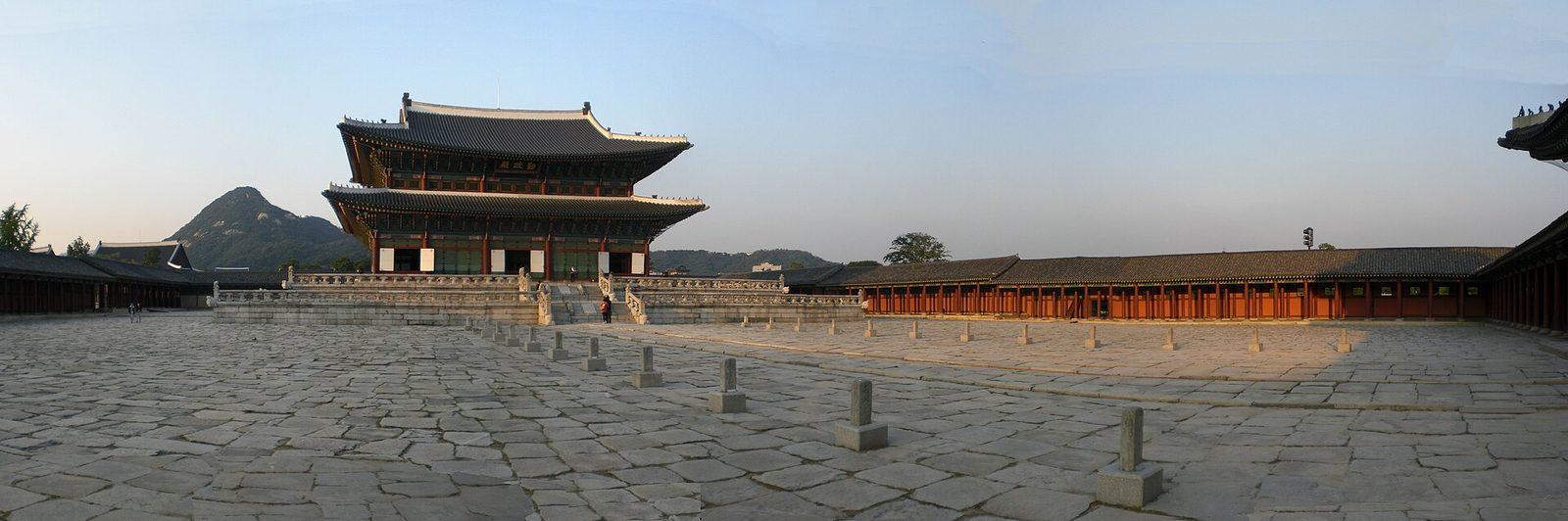
Compare flights when you’re ready.
In pictures
Open a photo for a closer look.
01Official rules: where they are set
Entry and exit rules, laws that differ from Canada's and the current safety assessment for South Korea are published by the Government of Canada in its travel advice for South Korea, linked in the sources below. The Government of Canada states that a regular Canadian passport must be valid beyond the date of expected departure from South Korea. Which travel authorisation or visa fits a trip is decided by the Korean authorities, and the Korea Immigration Service is the authority to check before booking, because the detailed rules are not repeated here.
Canada's page also covers the entry declaration. All travellers to Korea are required to submit an entry declaration form, either online, up to 3 days prior to arrival, or on paper upon arrival. The Government of Canada warns that online scams related to the e-Arrival card are occurring, that the service is free of charge, and that no website charging a fee for an arrival card should be used. Foreigners register biometrics, fingerprints and a facial scan, at the port of entry, according to the same page.
02Getting there and around: verified transport information
Seoul has two airports. Incheon International Airport, ICN, is the main international gateway, west of the city, and Gimpo International Airport, GMP, closer in, handles domestic and regional flights. The Korea Tourism Organization, in its airport transportation guide, lists two trains between Incheon and Seoul Station on the Airport Railroad, AREX. The Express Train runs non-stop to Seoul Station, in approximately 43 minutes from Terminal 1 and approximately 51 minutes from Terminal 2. The All-Stop Train takes approximately 59 minutes from Terminal 1 and approximately 66 minutes from Terminal 2, and stops at stations including Hongik University and Digital Media City.
Airport Limousine Buses run from Incheon to areas across Seoul, and the Korea Tourism Organization notes that payment by cash or transportation card is not accepted on them, so a bus ticket is bought in advance. Most public transportation from the airport to the centre of Seoul finishes operation at around 23:30, and night buses, identified by the letter N in front of the route number, cover late arrivals. Taxis wait at the taxi platform outside the waiting area of Terminals 1 and 2, in standard, deluxe, jumbo and international types, and the airport's information desks operate 24 hours, according to the same guide.
Inside Seoul, the subway and buses run on transport cards. Visit Seoul, the city's official travel guide, lists the adult subway base fare at 1,550 won with a transport card and 1,650 won with a single journey ticket, within 10 kilometres, as of June 2026, with an extra charge beyond that distance. The same guide lists the adult base fare on trunk and branch buses at 1,500 won with a transport card, and asks riders to tap the card both when boarding and when getting off, so transfers within 30 minutes, or 1 hour between 21:00 and 07:00, are charged as one trip.
The card to carry is T-money. Visit Seoul describes T-money as the standard transport card, usable anywhere in Korea, working on the subway, buses, taxis and at convenience stores, and sold at airports, subway vending machines and convenience stores. Seoul's buses do not accept cash, so the card comes before the first bus ride. The Climate Card short-term pass is the alternative for a Seoul-only stay, with unlimited rides on the subway and buses in Seoul for a set period, and Visit Seoul lists where it is not valid, including the Shinbundang Line and subway travel outside Seoul. Step-free access varies by station, so travellers who need lifts should check the station before choosing a route or a base.
03Getting it right on the ground: practical customs that vary
The currency is the South Korean won. Cards are accepted in hotels, larger shops and restaurants, and cash in small notes is the practical money for market stalls, small eateries and topping up a transport card. Transport itself is card first: T-money covers the subway, buses and taxis, and a visitor without one pays more per subway ride and cannot pay on a Seoul bus at all.
Korean is the working language. Station names and signs are also given in English on the subway, and the pocket phrases below cover the requests a visitor makes most. Mobile data works across the city, and the eSIM checklist linked below covers setting data up before landing. Canada's travel advice adds a practical taxi note: drivers may speak some English, but the destination should be carried written in Korean.
The arrival scam to refuse is a paid e-Arrival card website: the Government of Canada states that the entry declaration service is free of charge, and that scam sites charging for it are operating. The same care applies inside the terminal, where any ride or card offered away from the official counters, machines and taxi platforms should be checked against the operator's own desk before money changes hands.
04Optional courtesies
A greeting in Korean, annyeonghaseyo, and a thank you, gamsahamnida, open most interactions, and a slight bow with the greeting is the usual form. None of this is tested, and English is widely used in hotels and at major sights, but the two phrases do the early work. The pocket phrases below give the spellings in Hangul and in romanisation.
On the subway, priority seats at the ends of carriages are left for older passengers, pregnant passengers and passengers with disabilities, even when a carriage is busy. Giving and receiving with two hands, or with the right hand supported by the left, is a common courtesy with cards and receipts. Shoes come off when entering a home and some traditional restaurants, where a step up at the door and slippers or a shoe shelf mark the point.
05Where to stay: Myeongdong, Hongdae and Jongno
Myeongdong, in Jung-gu at the centre, is the shopping base: department stores, cosmetics shops and street food stalls on flat streets, with Namsan and its tower above it and a station on Line 4. Visit Seoul places Myeongdong among the districts at the heart of the city, alongside Gyeongbokgung Palace and the other central sights. Hongdae, in Mapo-gu in the west, is the university district around Hongik University: Visit Seoul describes Hongdae Street as a hub of street performances, art exhibitions and youth culture, and the AREX All-Stop Train from Incheon stops at Hongik University Station directly.
Jongno, the historic centre north of Myeongdong, is the third base: Gyeongbokgung Palace, Bukchon Hanok Village, Insa-dong and Gwangjang Market sit in or beside it, and the streets are the natural first walk of a trip. The choice is between Myeongdong for central shopping and the simplest Line 4 connections, Hongdae for a livelier evening street and a direct airport train, and Jongno for the palace streets and markets at the door, with older, smaller rooms in converted buildings part of the trade.
06Walking: palace streets, Bukchon lanes and the stream path
The palace quarter walks as one piece. From Gwanghwamun Square the ground runs north to Gyeongbokgung Palace and east into Bukchon Hanok Village, where the lanes of traditional hanok houses climb between Jongno and Samcheong-dong. Bukchon is a residential district on a slope, so the walk is short streets and steady inclines rather than distance, and the lanes are people's home streets: signs ask visitors to keep voices down, and the courtesy is part of the walk.
The flat alternative is the Cheonggyecheon stream path, which runs through the centre below street level, past Jongno and Dongdaemun, with steps and ramps back up at regular intervals. South of Myeongdong, Namsan's park paths climb to the tower for those who want the hill. In all three areas the practical limit is the same: Seoul's subway covers the long legs so well that walking works best as one district at a time, with a station as the start and finish of each walk.
07A first day in Seoul: one train, one palace quarter, an early night
Morning: land at Incheon, complete the entry declaration and biometrics, and take one train only. The AREX Express suits a Seoul Station or Myeongdong side stay, and the All-Stop Train suits Hongdae directly and the same central stations more slowly. Buy or charge a T-money card at the airport, check in or leave the bags, and walk the streets around the hotel to fix the geography of the base before any sightseeing.
Afternoon: spend it in the palace quarter at an easy pace. One palace, Gyeongbokgung, walked slowly, and a short climb into the Bukchon lanes above it, is enough for an arrival day. Visit Seoul's guide to the palace sets out a walking route through its gates and halls, and the grounds are flat even when the lanes beyond them are not.
Evening: eat near the base, in Myeongdong's stall streets or a Jongno restaurant street, learn the nearest station's exits while it is still light, and keep the night early. Seoul's late night shopping and markets keep for a rested second day, and the last airport trains and buses of the day matter more than one more sight on arrival day.
08Common visitor mistakes
Arriving without a transport card and meeting a Seoul bus that takes no cash. Taking the AREX Express to Seoul Station when the hotel is in Hongdae, which the slower All-Stop Train reaches directly. Treating Incheon as a city airport: it is the main gateway but sits west of Seoul, and the train times the Korea Tourism Organization publishes, from approximately 43 minutes up, belong in the arrival plan.
Paying a website for the e-Arrival card, which the Government of Canada states is free. Planning a late arrival around ordinary airport buses and trains without checking the night buses, when most services to the centre finish at around 23:30. Forgetting to tap off on buses and the subway, which Visit Seoul flags as the step that makes transfers charge as one trip.
09Safety
The Government of Canada's travel advice for South Korea, linked below, is the primary source for the current safety assessment, laws and entry requirements, and it should be read before booking and again before flying. Canada's page notes that crime against foreigners is generally low, and that petty crime, such as pickpocketing, occurs in major metropolitan areas, tourist sites and public markets.
The practical notes are the ordinary ones for a large city, plus two from Canada's page. Demonstrations and marches occur frequently, and the advice is to avoid areas where demonstrations and large gatherings are taking place, follow the instructions of local authorities and monitor local media. Food and drinks should never be left unattended or in the care of strangers. After dark, Canada's page suggests that public transportation may be safer than taxis for a traveller alone, and that officially marked taxis are the ones to use when rail and bus services end.
10If you're flying with something particular
Mobility: step-free access is station by station across the subway and AREX, and the airport trains and newer stations are the most predictable part of the network. Airport assistance is arranged through the airline before flying, and the mobility pages linked below cover what to request. Accommodation in Myeongdong's flat centre is easier with luggage and wheels than the sloping lanes around Bukchon and Jongno's older buildings, so the step count of the specific building belongs in the booking questions.
Family and medical: Visit Seoul lists child subway fares, with the adult base fare at 1,550 won and the child fare, ages 6 to 12, at 550 won with a transport card, as of June 2026, and strollers move most easily outside the busiest interchange hours. Travellers with medication or medical equipment should carry it in cabin baggage and check the airline's own rules. Canada's page notes a free emergency assistance app, Emergency Ready, from South Korea's Ministry of the Interior and Safety, which lets users contact emergency services and locate the closest medical centre or shelter.
Stay a little longer
Myeongdong or Hongdae?
Choose the base that fits the trip. Switch between the two areas while keeping the same dates.
Before booking in Myeongdong
- Check which station exit serves the hotel, and whether the walk from it is flat with luggage.
- Ask for a room away from the main shopping streets if evening noise matters.
- Confirm the AREX and subway changes between Seoul Station and the hotel before booking flights.
Choose a check-in date, then a duration to set check-out.
Still planning? Leave both dates blank to browse.
Your destination: Myeongdong
Affiliate link through Stay22. FlyingWith may earn a commission if you book. The booking provider handles prices and payment.
Going somewhere else? Search worldwideReuse them on other accommodation searches and in another language. Only the dates are kept; clear them when your trip changes.
What should the property confirm?
Choose the arrangements you want to check before paying.
These are questions for the property. They do not filter the search results, and your choices stay on this page.
Keep a useful travel checklist in your inbox
Get the free checklist link and occasional FlyingWith travel tips. Your saved trip answers stay on this device.
Open the free trip checklist →Take it with you
Your pocket guide
Keep your next steps and useful phrases together in a colourful PDF travel card, ready to save or print.
Before you book
0 of 4 checked
Your checks stay in this tab when you reload or return to this guide. Reset them here, or close the tab when you finish.
Add a calendar reminder
A few useful words
Korean
Korean is the language of Seoul. Major stations add English, Chinese and Japanese to signs, and the phrases below are romanised only.
- Annyeonghaseyo.
- Hello.
- Gamsahamnida.
- Thank you.
- Joesonghamnida.
- Excuse me, or sorry.
- Seoul-yeogi eodiyeyo?
- Where is Seoul Station?
- Eolmayeyo?
- How much is it?
- Hwajangsiri eodiyeyo?
- Where is the toilet?
Official sources
Rules and amounts change. Before you rely on anything marked as an official rule, check the source. These are the official pages we used.
- Travel advice and advisories: South Korea · Government of Canada · checked Entry and exit requirements for Canadians, passport validity, the e-Arrival card and its scam warning, and the current safety assessment for South Korea.
- Incheon International Airport · Incheon International Airport Corporation · checked The terminals, facilities and ground transport information for Incheon International Airport, ICN.
- Airport Railroad (AREX) · Airport Railroad Co., Ltd. · checked The AREX express and all-stop trains between Incheon Airport and Seoul Station: routes, timetables and fares.
- Seoul travel transport guide · Visit Seoul (Seoul Tourism Organization) · checked Transport cards in Seoul, T-money and the Climate Card, and the subway and bus base fares the city publishes.
- Airport transportation guide · Korea Tourism Organization (Visit Korea) · checked How AREX trains, airport limousine buses, night buses and taxis run between Incheon and Gimpo airports and the city, with train times.
- AREX express and all-stop timetables and fares on the day: Airport Railroad (AREX).
- Entry rules, the e-Arrival card and safety updates for South Korea: the Government of Canada.
- Subway and bus fares and transport card rules in Seoul: Visit Seoul.
- Whether a travel authorisation or a visa fits the trip: the Korea Immigration Service.
Share this guide
Saves a reading copy on this device, visible to anyone using it. Checklist answers and bookings are not saved. Browser storage can be cleared automatically; check your saved guides before travelling.
Help keep this page accurate
Opens an email draft with this page’s public link. You can review it before sending.
Continue planning
Flying there with a particular need
Not sure which applies to your trip? Build your trip profile
Travelling with others? Split costs without accounts.
Before you fly there
- Airport Transfer Checklist: Compare the Whole JourneyCompare public transport, taxis and prebooked airport transfers. Check pickup instructions, total cost, luggage, access and delay terms before paying.
- Travel eSIM Checklist: What to Check Before BuyingCheck device compatibility, coverage, activation and plan limits before buying a travel eSIM. Compare it with roaming and a local SIM, then save a backup.
Travel essentials
Complete your travel plans
Choose the service you need, then compare the offer and its terms with the provider.
Mobile data for your trip
Compare an eSIM with your carrier’s roaming offer and a local SIM. An eSIM only helps if your exact device and the plan suit the trip.
Affiliate partner options
Affiliate links through Travelpayouts. FlyingWith may earn a commission on an eligible purchase or paid service.
Build my eSIM shopping list →Checks before choosing
Installing an eSIM and starting its validity period can be different events. Follow the chosen plan’s instructions. The checklist is a reminder, not an automatic device check.
- Check the device model, purchase region and network lock with the provider before paying.
- Compare the countries covered, data allowance, validity start, hotspot rules and any speed limits.
- Check whether calls and SMS are included. Save maps, the hotel address and installation instructions for offline use.
Getting from the airport
Compare the airport’s official public transport and taxi information with a prebooked transfer. Choose based on the whole journey to your accommodation.
GetTransfer is a transfer marketplace. Availability and suitability depend on the offer; a listed vehicle does not confirm accessible transport or a child seat.
Affiliate partner options
Affiliate links through Travelpayouts. FlyingWith may earn a commission on an eligible purchase or paid service.
Take these details to your airport pickup quote
Copy these questions into your request. A marketplace listing alone does not confirm a child seat or accessible vehicle.
0 of 4 pickup details reviewed
Checks before choosing
- Confirm the exact terminal, meeting point, luggage space and contact method if your flight changes.
- Ask for written confirmation of any child seat, pet or mobility requirement before payment.
- Read the total price, waiting policy, cancellation deadline and refund method for the specific offer.
The provider handles prices, booking terms, payment and support. Review the details there before paying.
Sources checked