Copenhagen: Airport Arrival, the Metro and a First-Day Plan
Published by FlyingWithSources checked
Copenhagen suits first-time visitors, families and anyone who wants a compact capital where the airport ride is short and the centre walks well. This page covers the entry check that comes first, the airport routes published by Visit Copenhagen and the airport, where to stay among Indre By, Vesterbro and Nørrebro, and how to pace a first day. The mistake first-timers make most often is buying the wrong zone ticket at the airport, or boarding a train towards Sweden by error.
Find a place to stay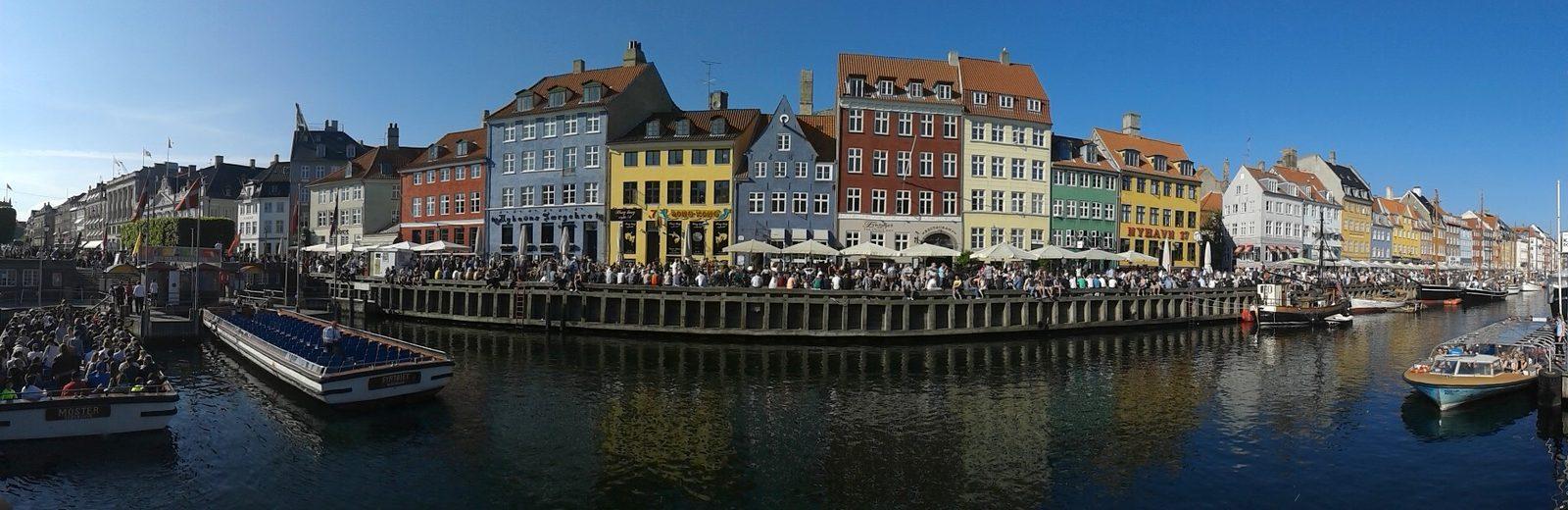
Compare flights when you’re ready.
In pictures
Open a photo for a closer look.
01Official rules: where they are set
Entry and exit rules, laws that differ from Canada's and the current safety assessment for Denmark are published by the Government of Canada in its travel advice for Denmark, linked in the sources below. Denmark is a Schengen area country, and the Danish authorities decide who can enter at the border.
The Government of Canada states that a regular Canadian passport must be valid for at least 3 months beyond the date of leaving the Schengen area, and that tourist stays for Canadians are visa free for up to 90 days in any 180-day period, with stays counting across all Schengen countries. Travellers whose nationality, purpose or length of stay differs should check the Canada page and the Danish authorities before booking, because detailed visa rules are not repeated here.
02Getting there and around: verified transport information
Copenhagen Airport, CPH, has its metro and train stations at Terminal 3. Visit Copenhagen states that the M2 metro reaches Nørreport in around 15 minutes and runs every 4 to 6 minutes during the day and evening, with longer intervals at night, and that trains from Terminal 3, tracks 1 and 2, run directly to Copenhagen Central Station. The Metro operator, Metroselskabet, states that the metro runs around the clock, every day.
The choice is by destination, not by speed. The M2 serves Christianshavn, Kongens Nytorv and Nørreport, with changes at Kongens Nytorv for the M3 and M4 lines. The train suits Copenhagen Central Station, Tivoli and Vesterbro, and gives onward rail connections across Denmark. Trains at the airport station also run towards Malmö in Sweden, so the destination board matters before boarding.
Tickets work across metro, train and bus within the zones the ticket covers. DOT, the public transport authority for the capital region, publishes the zone system and journey planning, and Visit Copenhagen lists the airport to centre journey as a 3-zone ticket at 30 DKK, with a City Pass Small covering zones 1 to 4, including the airport, at 100 DKK for 24 hours. Tickets are sold at the metro station, at the DSB ticket office in Terminal 3, from machines and in the Rejsebillet app, and a ticket must be valid before boarding.
Taxis wait directly outside Terminal 3, and Visit Copenhagen notes that tipping is included in the fare and that card payment is usual. Step-free access is strong on the metro: Visit Copenhagen states that all metro stations have lifts, while regional trains to and from the airport can need booked assistance for boarding, arranged through DSB. Travellers who need step-free routes should check the specific station and train before choosing where to stay.
03Getting it right on the ground: practical customs that vary
The currency is the Danish krone, DKK. Cards are accepted widely, including for small purchases and on transport tickets bought by machine or app, and cash is still useful at small stalls. Bank and card fees are set by the visitor's own bank, so the figure to check before flying is the card's foreign transaction fee.
Danish is the working language, and English is widely understood in the centre, at the airport and on transport. Station names carry Danish letters such as ø and å, and matching the spelling on the destination board to the spelling in the journey planner avoids wrong trains. Mobile data works across the centre; the eSIM checklist linked below covers setting data up before landing.
Cyclists are part of the traffic system, not background colour. The Government of Canada notes that cyclists are very common in Danish cities, often have right of way, and that pedestrians should watch carefully for bicycle traffic when crossing the street. The practical habit is to look both ways at every kerb, never stand in a cycle track while checking a phone, and keep luggage out of the cycle lane at stations.
04Optional courtesies
A greeting in Danish, Hej, and a thank you, Tak, attach easily to shop and café exchanges, and nobody expects more Danish than that from a short stay visitor. English can be used for the rest of the conversation without apology.
Queues form in order at ticket machines, bus stops and bakery counters, and a brief Undskyld, excuse me, covers brushing past someone in a crowded metro car. In Christiania, a district the Canada advice discusses in its safety section, photography is not tolerated, and that local rule is a courtesy and a safety matter at once.
05Where to stay: Indre By, Vesterbro and Nørrebro
Indre By, the inner city around Kongens Nytorv, Nyhavn and Strøget, is the most central base of the three: the M2 from the airport ends inside it, the main sights sit within walking distance, and rooms range from large hotels to small properties on quiet side streets. Vesterbro, west of Copenhagen Central Station, is the station base: the airport train ends at its edge, and its streets of cafés and hotels suit travellers with onward trains or a late arrival.
Nørrebro, north of the centre across the lakes, is a residential district of squares, small shops and a younger street life, reached by the M3 line and buses rather than by a direct airport service. The choice is between Indre By for walking to the harbour sights, Vesterbro for the central station and an easy first night, and Nørrebro for a quieter residential street with a short metro ride to the centre.
06Walking: the harbour, Nyhavn and the canal streets
The centre walks in one connected piece. From Kongens Nytorv the Nyhavn canal runs to the harbour, and the harbour promenade continues in both directions on wide, mostly flat surfaces, with bridges linking the Indre By side to Christianshavn. It is the simplest first walk in the city because the water does the navigating.
Christianshavn walks differently: canal streets with moored boats, level quays and the bridge back to the centre at Knippelsbro. Strøget, the pedestrian shopping street between Rådhuspladsen and Kongens Nytorv, gives a traffic free cross-town line. In all three areas the practical limit is not distance but the cycle tracks that cross the walking routes, so the kerb check for bicycles belongs in every crossing.
07A first day in Copenhagen: one ride, one canal, an early night
Morning: land at Terminal 3, buy the 3-zone ticket before boarding, and ride one service only, the metro for Indre By or the train for Vesterbro. Check in or leave bags, then walk the immediate streets around the hotel to fix the geography of the base before any sightseeing.
Afternoon: walk the harbour piece the base offers. From Indre By, follow Nyhavn to the harbour and cross to Christianshavn for the canal streets at an easy pace. From Vesterbro, walk to the lakes or into Indre By by Rådhuspladsen and Strøget. One short museum visit is enough for an arrival day; the city is compact and keeps well for day two.
Evening: eat near the hotel, note the nearest metro station entrance while it is still light, and keep the night early. Copenhagen rewards a full second day, and jet lag is the only appointment that cannot be moved.
08Common visitor mistakes
Boarding at the airport without a valid ticket, or with a ticket for too few zones: the airport journey is a 3-zone journey, and DOT publishes the zone map that decides it. Boarding a Sweden bound train at the airport station when the destination is central Copenhagen. Standing in a cycle track to check a map or take a photograph, which the Canada advice's cyclist warning covers directly.
Treating the metro and the train as rivals rather than as routes to different stations, and changing lines at Kongens Nytorv when the direct train to Central Station was the simpler ride. Assuming a taxi fare needs a tip on top: Visit Copenhagen states that tipping is included in the fare. Leaving the airport ride to chance on a late arrival, when metro intervals are longer at night.
09Safety
The Government of Canada's travel advice for Denmark, linked below, is the primary source for the current safety assessment, terrorism guidance and laws, and it should be read before booking and again before flying. Canada's page notes that petty crime, including pickpocketing and purse snatching, occurs in large cities, most often in tourist areas, on public transportation, in hotel lobbies and in restaurants.
The practical habits are the ordinary ones for a large city: keep bags closed and in front in crowds, keep a copy of the passport separate from the original, and be alert in hotel lobbies and restaurants, as Canada's page advises. Demonstrations occur from time to time and can disrupt traffic and transport; the advice on Canada's page is to avoid the area, follow local authority instructions and monitor local media.
10If you're flying with something particular
Mobility: the metro is the step-free backbone, with lifts at all stations according to Visit Copenhagen, while regional trains can need assistance booked ahead through DSB for boarding and alighting. Airport assistance is arranged through the airline before flying, and the mobility pages linked below cover what to request and when. Cobbles in the oldest streets and canal quays argue for a base near a metro station rather than at the far end of a walking street.
Family and medical trips: children ride the same zone system, and DOT publishes the child ticket rules, so the fare check belongs before the first ride, not at the gate. Travellers with medication or medical equipment should carry it in cabin baggage and check the airline's own rules, which the medical pages below summarise. A first-time visitor should keep the first journey simple, one airport service and one station, and save line changes for day two.
Stay a little longer
Indre By or Vesterbro?
Choose the base that fits the trip. Switch between the two areas while keeping the same dates.
Before booking in Indre By
- Check which metro station is nearest, and whether the M2 from the airport stops there.
- Ask whether the room faces a busy harbour side street or a quieter side street.
- Confirm late arrival arrangements, since front desks vary by property size.
Choose a check-in date, then a duration to set check-out.
Still planning? Leave both dates blank to browse.
Your destination: Indre By
Affiliate link through Stay22. FlyingWith may earn a commission if you book. The booking provider handles prices and payment.
Going somewhere else? Search worldwideReuse them on other accommodation searches and in another language. Only the dates are kept; clear them when your trip changes.
What should the property confirm?
Choose the arrangements you want to check before paying.
These are questions for the property. They do not filter the search results, and your choices stay on this page.
Keep a useful travel checklist in your inbox
Get the free checklist link and occasional FlyingWith travel tips. Your saved trip answers stay on this device.
Open the free trip checklist →Take it with you
Your pocket guide
Keep your next steps and useful phrases together in a colourful PDF travel card, ready to save or print.
Before you book
0 of 4 checked
Your checks stay in this tab when you reload or return to this guide. Reset them here, or close the tab when you finish.
Add a calendar reminder
A few useful words
Danish
Danish is the language of Copenhagen. English is widely understood; metro station names use Danish spelling, including ø and å.
- Hej.
- Hello.
- Tak.
- Thank you.
- Undskyld.
- Excuse me.
- Taler du engelsk?
- Do you speak English?
- Hvor er metroen?
- Where is the metro?
- Hvor meget koster det?
- How much does it cost?
Official sources
Rules and amounts change. Before you rely on anything marked as an official rule, check the source. These are the official pages we used.
- Travel advice and advisories: Denmark · Government of Canada · checked Entry and exit requirements for Canadians, passport validity, cyclist warnings, and the current safety assessment for Denmark.
- Parking and transport · Copenhagen Airport · checked Transport at the airport itself: terminal buses, car rental, parking and the transport options the airport publishes.
- Your public transport: DOT · DOT (Din Offentlige Transport) · checked Tickets, zones and timetables for bus, train, metro and light rail across the capital region.
- Copenhagen airport to city center: all your options · Visit Copenhagen · checked The metro and train routes from Terminal 3, the journey time to the centre, taxi arrangements and ticket points.
- The Copenhagen Metro · Metroselskabet · checked Metro lines, stations, service status and the around the clock operation of the Copenhagen Metro.
- Whether a visa or a Schengen stay limit fits the trip: the Government of Canada and the Danish authorities.
- Airport facilities, terminal buses and parking on the day: Copenhagen Airport.
- Zones, ticket types and fares for a specific journey: DOT.
- Metro service status and planned changes on the day: Metroselskabet.
Share this guide
Saves a reading copy on this device, visible to anyone using it. Checklist answers and bookings are not saved. Browser storage can be cleared automatically; check your saved guides before travelling.
Help keep this page accurate
Opens an email draft with this page’s public link. You can review it before sending.
Continue planning
Flying there with a particular need
Not sure which applies to your trip? Build your trip profile
Travelling with others? Split costs without accounts.
Before you fly there
- Airport Transfer Checklist: Compare the Whole JourneyCompare public transport, taxis and prebooked airport transfers. Check pickup instructions, total cost, luggage, access and delay terms before paying.
- Travel eSIM Checklist: What to Check Before BuyingCheck device compatibility, coverage, activation and plan limits before buying a travel eSIM. Compare it with roaming and a local SIM, then save a backup.
Travel essentials
Complete your travel plans
Choose the service you need, then compare the offer and its terms with the provider.
Mobile data for your trip
Compare an eSIM with your carrier’s roaming offer and a local SIM. An eSIM only helps if your exact device and the plan suit the trip.
Affiliate partner options
Affiliate links through Travelpayouts. FlyingWith may earn a commission on an eligible purchase or paid service.
Build my eSIM shopping list →Checks before choosing
Installing an eSIM and starting its validity period can be different events. Follow the chosen plan’s instructions. The checklist is a reminder, not an automatic device check.
- Check the device model, purchase region and network lock with the provider before paying.
- Compare the countries covered, data allowance, validity start, hotspot rules and any speed limits.
- Check whether calls and SMS are included. Save maps, the hotel address and installation instructions for offline use.
Getting from the airport
Compare the airport’s official public transport and taxi information with a prebooked transfer. Choose based on the whole journey to your accommodation.
GetTransfer is a transfer marketplace. Availability and suitability depend on the offer; a listed vehicle does not confirm accessible transport or a child seat.
Affiliate partner options
Affiliate links through Travelpayouts. FlyingWith may earn a commission on an eligible purchase or paid service.
Take these details to your airport pickup quote
Copy these questions into your request. A marketplace listing alone does not confirm a child seat or accessible vehicle.
0 of 4 pickup details reviewed
Checks before choosing
- Confirm the exact terminal, meeting point, luggage space and contact method if your flight changes.
- Ask for written confirmation of any child seat, pet or mobility requirement before payment.
- Read the total price, waiting policy, cancellation deadline and refund method for the specific offer.
The provider handles prices, booking terms, payment and support. Review the details there before paying.
Sources checked