Peru: Machu Picchu and the Sacred Valley
Published by FlyingWithSources checked
Machu Picchu is the reason most people come, but the Sacred Valley around Cusco holds enough sites to fill a day or more on the way. This covers the tickets, the altitude, getting around the valley, and what to confirm before you travel.
Find a place to stay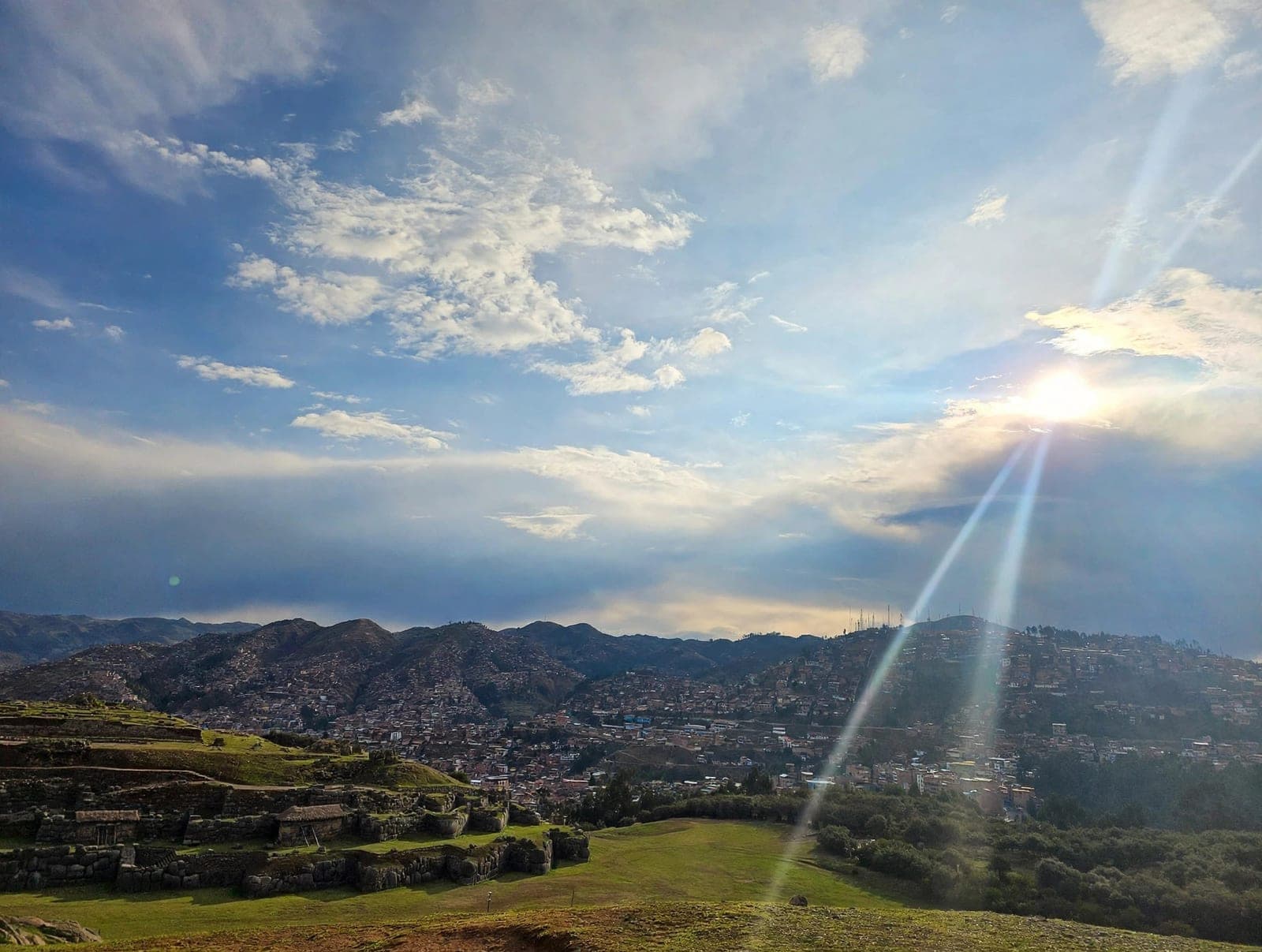
Compare flights when you’re ready.
In pictures
Open a photo for a closer look.
01Official rules: tickets, altitude and safety
Machu Picchu tickets are sold by Peru's Ministry of Culture on its tuboleto.cultura.pe platform, which replaced machupicchu.gob.pe for sales; that site now carries circuit information only. Visits are organised in 3 circuits with 10 routes, and the Ministry publishes visiting hours for each circuit and route. Buy from the Ministry's platform, and carry the identity document you booked with. The Ministry also sells tickets in person in Machupicchu Pueblo; treat that as a backup rather than a plan, and ask there what is available for your date. Daily capacity changes seasonally, so this page states none: the Ministry's sites, linked below, have the current figures.
The CDC's Yellow Book puts Cusco at 3,400 m (11,152 ft), an hour's flight from Lima on the coast, and its high-altitude chapter advises only mild exercise for the first 48 hours at altitude. The Government of Canada's travel advice for Peru warns that trails in the Andes may be steep, slippery and poorly marked, and that some hikers have become lost on trails around Machu Picchu. The guide to flying to Cusco, linked below, covers what to discuss with your doctor.
02Getting there and around: verified transport information
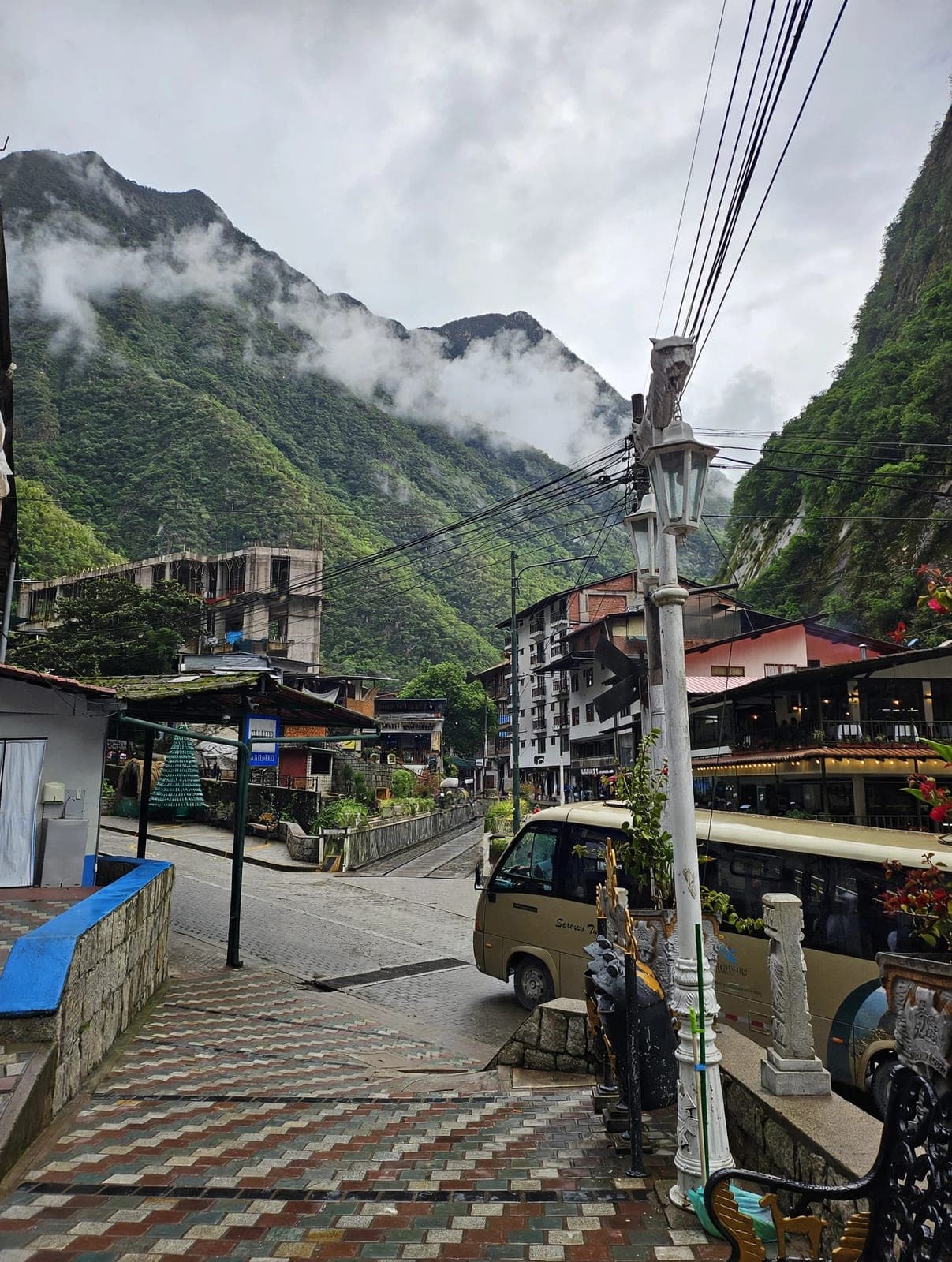 Aguas Calientes, the Machu Picchu town · Owner photo
Many visitors fly into Cusco, allow time to adjust to the altitude, then take a train to Aguas Calientes (Machupicchu Pueblo), the town at the base of the mountain, and a bus up from there. Train timetables and fares are the train operators' to publish, and the train is booked separately from the entry ticket.
03Getting it right on the ground: practical customs that vary
Plan a gradual ascent and a quiet start at altitude. Ask a health professional how to prepare for your itinerary and any personal risk factors; local remedies are not a substitute for that advice. Before packing any coca product to take home, check the rules of the country you are flying back to.
The multi-day Inca Trail is hiked with licensed operators under a permit system. How many permits exist, how far ahead they must be booked and who issues them are set by Peru's authorities, the Ministry of Culture and the protected-areas service SERNANP, so ask a licensed operator well before you travel. The train and bus reach the same site.
04Cusco and Sacsayhuamán
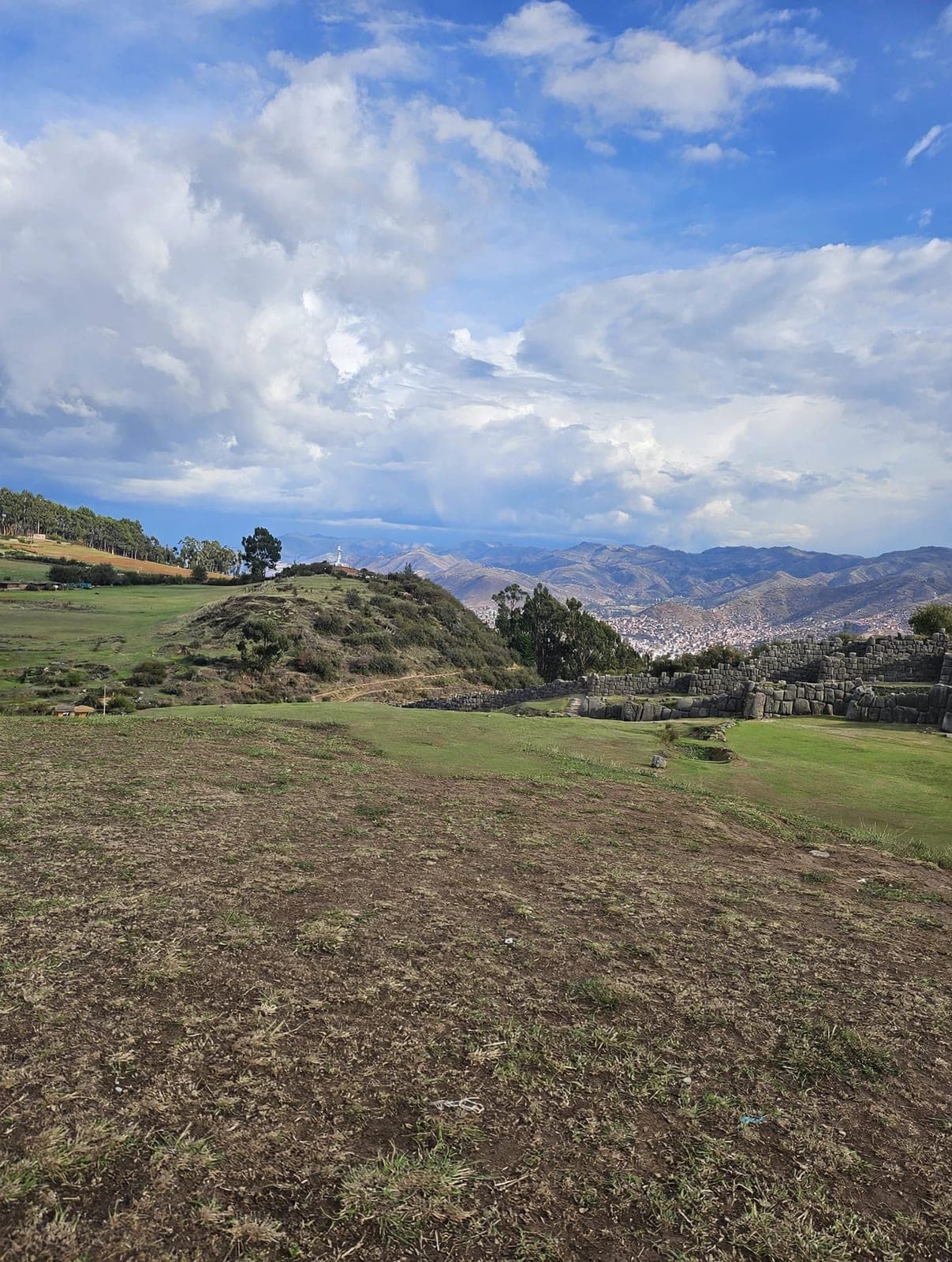 Sacsayhuamán, above Cusco · Owner photo
Most trips base themselves in Cusco, and the old town repays a slow first day or two while you adjust to the altitude. Above it stands Sacsayhuamán, the Inca fortress and ceremonial site whose zigzag stone walls look over the city; it is an easy walk or short taxi ride uphill, and the climb itself is a reason to take it gently in your first days.
Where to stay splits by style. The historic centre around the Plaza de Armas keeps you close to the main sights and the tour departures; San Blas, the artisans' quarter uphill from the plaza, is a tangle of steep lanes, workshops and flower-lined stairs with smaller hotels. Either way, judge a Cusco address by its climb as much as its distance on the map: at 3,400 m, an uphill walk home is exercise.
05The Sacred Valley
The Sacred Valley between Cusco and Machu Picchu has terraced hillsides, weaving villages and Inca sites that draw smaller crowds than the citadel; many itineraries treat it as the road between two points, and giving it a day of its own is the common alternative. Organised tours from Cusco run to the valley sites on set schedules; if crowds matter to you, ask your accommodation or the operator when groups typically arrive.
06Maras and Moray
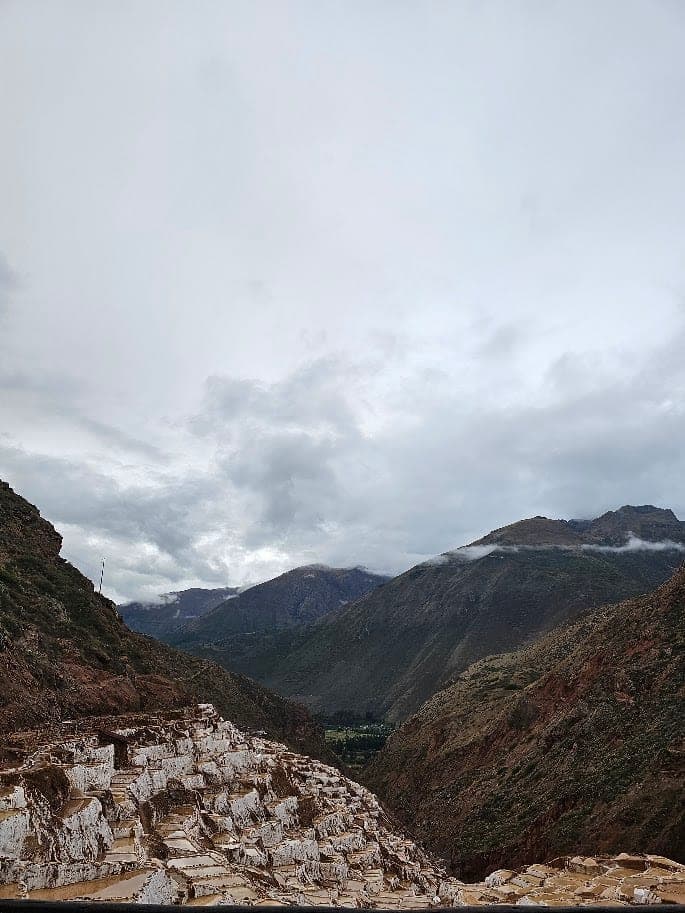
The Salineras de Maras are terraces of salt-evaporation pools near the village of Maras; nearby Moray is a set of circular Inca terraces whose purpose is debated, so read the information on site rather than any single explanation. Both are usually visited by car or organised tour; admission and opening times are set locally and change, so ask in Cusco or the valley towns.
07The food
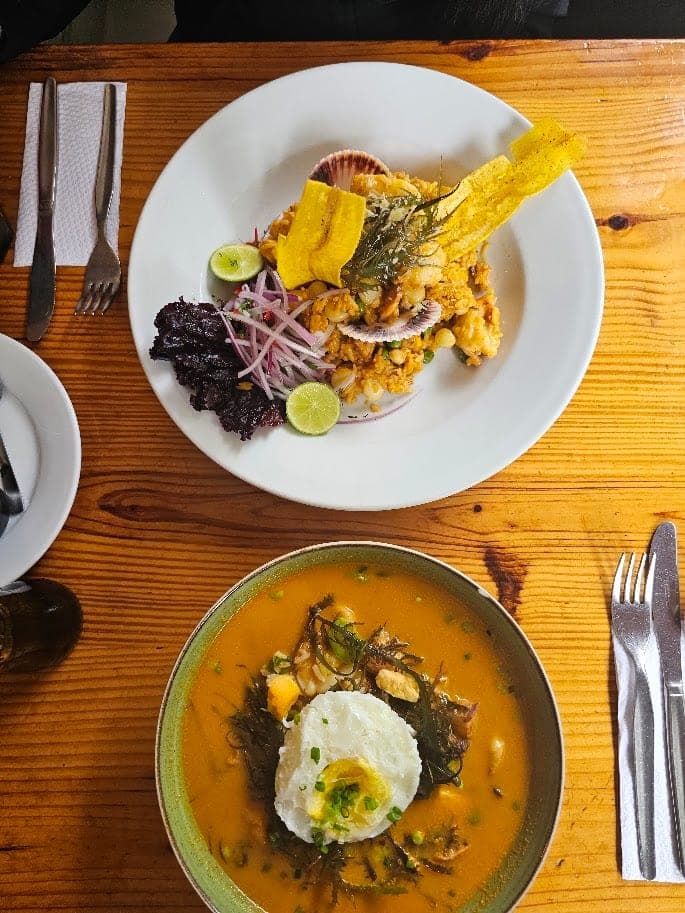
Ceviche gets the international attention, but the highlands have their own tradition of soups, roasted meats and Andean ingredients, and Cusco has restaurants built around them. Ease into both the altitude and unfamiliar food.
08The high Andes beyond Machu Picchu
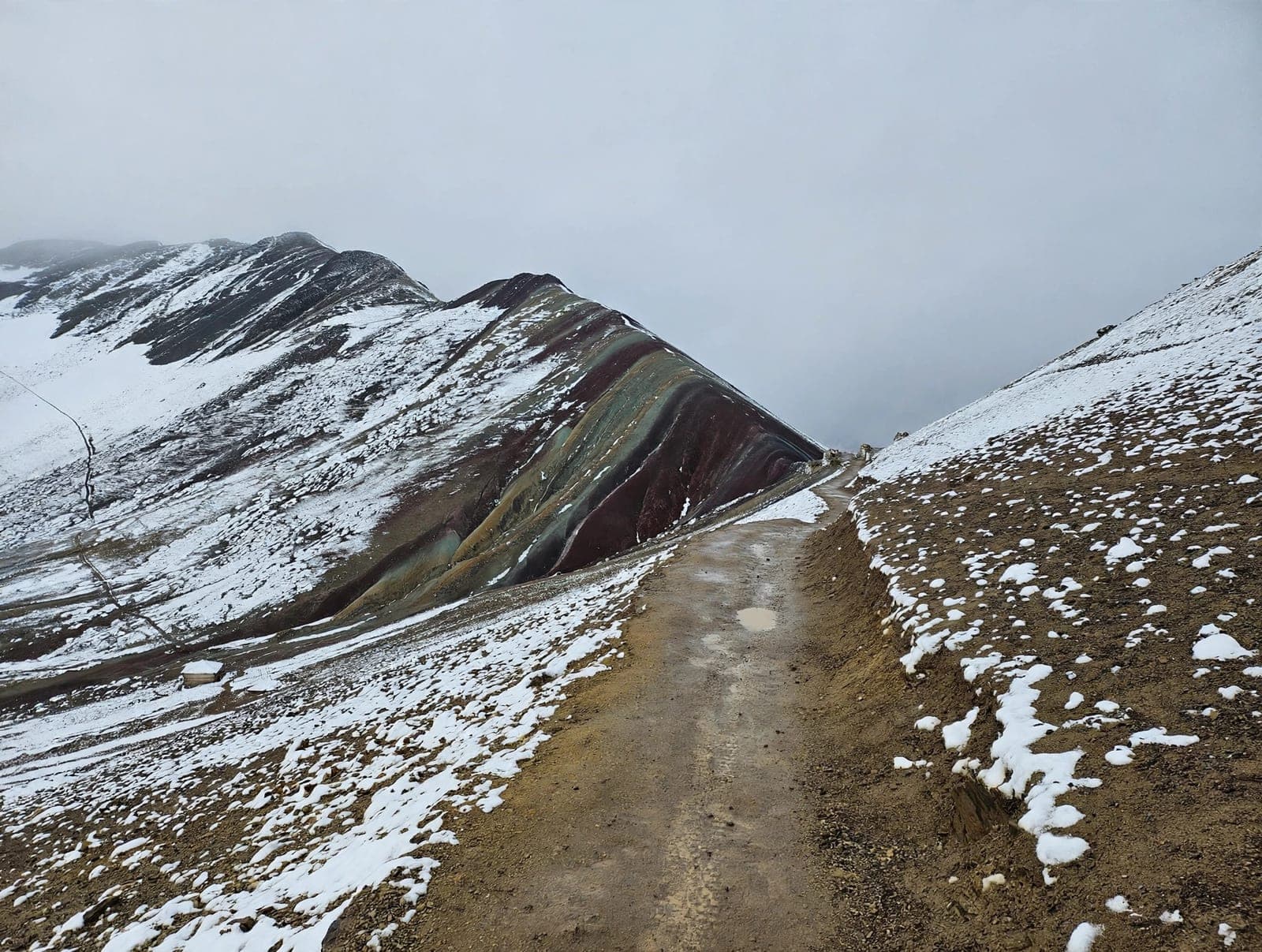 Rainbow Mountain (Vinicunca) · Owner photo
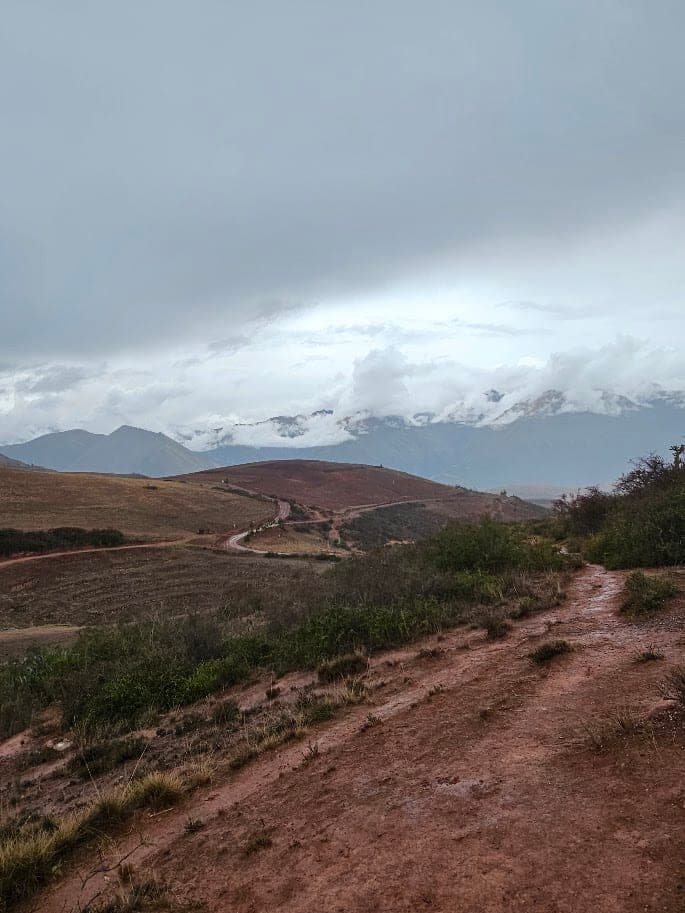
The mountain passes outside Cusco climb well above the city and show a starkly different side of the region: snow-dusted peaks and open, treeless country. The CDC's altitude advice applies more, not less, and road and weather conditions are a question for the operator on the day, since in the rainy months weather can close a pass at short notice.
The best-known of these day trips is Vinicunca, Rainbow Mountain, whose viewpoint sits at about 5,036 m, far above Cusco's 3,400 m. Tours leave Cusco early and the walk at the top is short but high, so treat it as a trip for after you have acclimatised, never for your first days; snow can dust the coloured slopes even outside the rainy season, as in this photograph.
09Optional courtesies
A few words go a long way; none are expected. Basic Spanish tends to be appreciated; in the valley villages Quechua is widely spoken as well. Tipping practices vary by place and service, so ask your accommodation or operator what is usual.
10Safety
The Government of Canada's travel advice for Peru, linked below, is the primary source for safety and entry.
Stay a little longer
Find your place to stay
Choose where to stay, add dates if you have them, and continue to accommodation results through Stay22.
Choose a check-in date, then a duration to set check-out.
Still planning? Leave both dates blank to browse.
Your destination: Cusco
Affiliate link through Stay22. FlyingWith may earn a commission if you book. The booking provider handles prices and payment.
Going somewhere else? Search worldwideReuse them on other accommodation searches and in another language. Only the dates are kept; clear them when your trip changes.
What should the property confirm?
Choose the arrangements you want to check before paying.
These are questions for the property. They do not filter the search results, and your choices stay on this page.
Keep a useful travel checklist in your inbox
Get the free checklist link and occasional FlyingWith travel tips. Your saved trip answers stay on this device.
Open the free trip checklist →Take it with you
Your pocket guide
Keep your next steps and useful phrases together in a colourful PDF travel card, ready to save or print.
Before you book
0 of 4 checked
Your checks stay in this tab when you reload or return to this guide. Reset them here, or close the tab when you finish.
Add a calendar reminder
A few useful words
Spanish
Spanish is one option for everyday requests. Quechua and other languages are also spoken; ask what the person prefers.
- Buenos días.
- Good morning.
- Por favor.
- Please.
- Gracias.
- Thank you.
- ¿Habla inglés?
- Do you speak English?
- La cuenta, por favor.
- The bill, please.
- ¿Dónde está la estación de tren?
- Where is the train station?
Official sources
Rules and amounts change. Before you rely on anything marked as an official rule, check the source. These are the official pages we used.
- Machu Picchu tickets (tuboleto) · Ministry of Culture, Peru · checked Sells the entry tickets and sets the circuits, routes, time slots, daily capacity and the in-person allocation.
- Machu Picchu: circuits and visitor information · Ministry of Culture, Peru · checked The same ministry's information site: what each circuit covers and what a ticket includes.
- Peru (Yellow Book) · U.S. Centers for Disease Control and Prevention (CDC) · checked Health risks for travellers to Peru.
- High-Altitude Travel and Altitude Illness (Yellow Book) · U.S. Centers for Disease Control and Prevention (CDC) · checked What altitude does to the body, and how fast to ascend.
- Travel advice and advisories: Peru · Government of Canada · checked Entry requirements, trail and security warnings, and the current safety assessment.
- Inca Trail permits: the Ministry of Culture and SERNANP, through licensed operators.
- Train timetables and fares to Aguas Calientes: the train operators.
- Admission at the valley sites, and road and pass conditions on the day: locally in Cusco and the valley towns, or your operator.
- Whether altitude affects you, and what to do about it: your doctor.
Share this guide
Saves a reading copy on this device, visible to anyone using it. Checklist answers and bookings are not saved. Browser storage can be cleared automatically; check your saved guides before travelling.
Help keep this page accurate
Opens an email draft with this page’s public link. You can review it before sending.
Continue planning
Flying there with a particular need
Not sure which applies to your trip? Build your trip profile
Travelling with others? Split costs without accounts.
Before you fly there
Travel essentials
Complete your travel plans
Choose the service you need, then compare the offer and its terms with the provider.
Mobile data for your trip
Compare an eSIM with your carrier’s roaming offer and a local SIM. An eSIM only helps if your exact device and the plan suit the trip.
Affiliate partner options
Affiliate links through Travelpayouts. FlyingWith may earn a commission on an eligible purchase or paid service.
Build my eSIM shopping list →Checks before choosing
Installing an eSIM and starting its validity period can be different events. Follow the chosen plan’s instructions. The checklist is a reminder, not an automatic device check.
- Check the device model, purchase region and network lock with the provider before paying.
- Compare the countries covered, data allowance, validity start, hotspot rules and any speed limits.
- Check whether calls and SMS are included. Save maps, the hotel address and installation instructions for offline use.
Getting from the airport
Compare the airport’s official public transport and taxi information with a prebooked transfer. Choose based on the whole journey to your accommodation.
GetTransfer is a transfer marketplace. Availability and suitability depend on the offer; a listed vehicle does not confirm accessible transport or a child seat.
Affiliate partner options
Affiliate links through Travelpayouts. FlyingWith may earn a commission on an eligible purchase or paid service.
Take these details to your airport pickup quote
Copy these questions into your request. A marketplace listing alone does not confirm a child seat or accessible vehicle.
0 of 4 pickup details reviewed
Checks before choosing
- Confirm the exact terminal, meeting point, luggage space and contact method if your flight changes.
- Ask for written confirmation of any child seat, pet or mobility requirement before payment.
- Read the total price, waiting policy, cancellation deadline and refund method for the specific offer.
The provider handles prices, booking terms, payment and support. Review the details there before paying.
Sources checked