Rome: Fiumicino Arrival, the Leonardo Express and a First-Day Plan
Published by FlyingWithSources checked
Rome suits first-time visitors, families and travellers who like to walk: the centre is compact, the sights are outdoors, and the airport trains end at one station, Termini. This page covers the entry sources to check, the routes Aeroporti di Roma and Trenitalia publish, where to stay among Centro Storico, Trastevere and Monti, and how to pace a first day. The mistake first-timers make most often is booking the hotel before checking which airport the flight actually uses.
Find a place to stay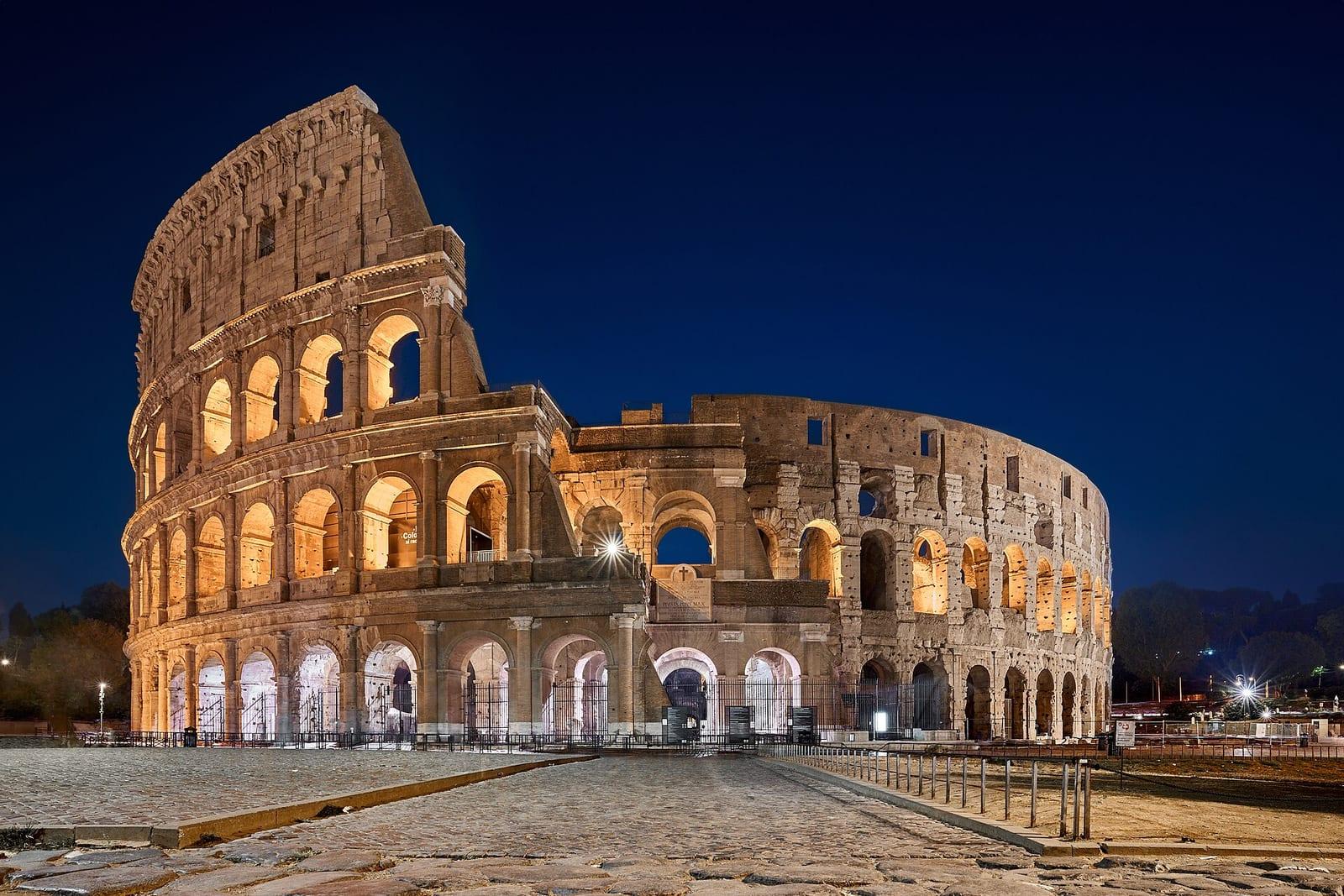
Compare flights when you’re ready.
In pictures
Open a photo for a closer look.
01Official rules: where they are set
Entry and exit rules, the laws that differ from Canada's and the current safety assessment for Italy are published by the Government of Canada in its travel advice for Italy, linked in the sources below. Italy sits inside the Schengen area and the European Union's own systems, so the Canada page is also the place that explains, for Canadians, the European Travel Information and Authorisation System, known as ETIAS.
Canada's page describes ETIAS as an online authorisation travellers will be required to apply and pay for before travelling to Italy and other participating European countries, and states that applications are not yet open and should be made only through the official EU website once the system launches. Detailed visa and stay rules are not repeated here: travellers whose nationality, purpose or length of stay differs from a short visit should confirm their position through the Canada page and the Italian authorities before booking.
02Getting there and around: verified transport information
Rome has two airports. Fiumicino, code FCO, is the main one, and Aeroporti di Roma, the airport operator, places it about 32 km from the city centre. Its transport pages list trains as the fastest route in: the Leonardo Express runs non-stop to Roma Termini, and regional trains connect the airport station with Tiburtina, Ostiense and other city stations. Buses and taxis complete the list, and Aeroporti di Roma notes that taxis at Fiumicino operate 24/7.
Trenitalia, the rail operator, publishes the Leonardo Express in detail: 32 minutes between Fiumicino airport station and Roma Termini, departures every 15 minutes, and a ticket price of €14. The same page states that the ticket can be bought at the fare gate with a contactless card, that children under the age of 4 travel free, and that one child over 4 and under 12 travels free with each paying adult. Integrated city tickets are not valid on the Leonardo Express, so the airport train is paid for separately from city transport.
Ciampino, code CIA, has no rail station of its own. Aeroporti di Roma's Ciampino pages list coach services to Roma Termini run by companies including SIT, Terravision and Rome Airport Bus, with tickets sold online, at agents in the arrivals terminal or on board, and stops opposite International Departures. The same pages list the Ciampino Airlink, a bus to Ciampino railway station for a train to Termini, and ATAC city buses: line 720 to Laurentina and line 520 to Cinecittà and Subaugusta, the last two being metro stations.
Inside Rome, ATAC runs the metro, buses and trams. Its tickets and passes page lists the BIT, an integrated ticket valid for 100 minutes, the ROMA24, ROMA48 and ROMA72H passes, and tap and go payment by card at metro turnstiles and on surface vehicles. ATAC publishes the current price of each ticket, so the figure to trust is the one on its page or at the machine on the day. Taxis are taken from ranks or booked; Canada's advice is to use only officially licensed taxis, which carry a white TAXI sign on the roof, and to make sure the meter is running or agree the fare in advance.
03Getting it right on the ground: practical customs that vary
The currency is the euro. Cards are accepted in hotels, larger restaurants and chain shops, while cash remains the practical choice for small cafés, market stalls and small purchases, and coins are needed more often than visitors expect, for lockers, toilets and small tips. Exchange and card fees are set by the visitor's own bank; money should be changed at banks and licensed exchange offices, not with anyone offering a rate on the street.
Italian is the working language of the city. English is widely understood around Termini, the main sights and larger hotels, and less reliably in neighbourhood shops, which is where the pocket phrases below are most useful. Station and metro signage is in Italian, with fermata for a stop and uscita for an exit. Mobile data covers the centre; the eSIM checklist linked below covers arriving with data working, which matters in Rome because bus times are read live rather than from printed timetables.
Two customs catch visitors out. A metro or bus ticket must be validated and kept until the end of the ride, because inspectors check on board and an unvalidated ticket is treated as no ticket. And a restaurant bill in Italy may include a coperto, a cover charge printed on the menu, which is a charge for the table rather than a tip. The street pattern to refuse is the unofficial taxi or tour offered inside the terminal or at the station doors: licensed taxis wait at the ranks, and tours are booked through identifiable operators.
04Optional courtesies
Buongiorno until the afternoon and buonasera from late afternoon are the greetings that open every interaction, in shops, cafés and hotels, and grazie and prego, the second word covering please and you are welcome among its uses, carry most of the rest. A greeting on entering a small shop, before any question, is normal practice rather than extra politeness.
Coffee has its own small order: an espresso taken standing at the bar is finished quickly at the bar price, while sitting at a table is a different service at a different price, both shown on the price list cafés display. Churches ask for covered shoulders and knees, and a quiet voice; the request is posted at the door of the major ones and applies to sightseeing visits as much as to services.
05Where to stay: Centro Storico, Trastevere and Monti
Centro Storico, the historic centre around Piazza Navona and the Pantheon, is the walk everywhere base: flat, dense with sights, and priced accordingly, with the river a short walk west. Trastevere, across the Tiber, is a district of narrow lanes, small piazzas and evening restaurants, livelier at night and reached from Termini by tram or bus rather than by metro, because no metro line crosses it.
Monti, between Termini and the Colosseum, is the third pattern: a neighbourhood of sloping streets, small shops and wine bars, close enough to the station for an easy arrival and close enough to the ancient sites to walk to them. The choice is between Centro Storico for the classic sights on foot, Trastevere for evenings and a residential feel, and Monti for the station, the Colosseum side of the centre and quieter streets.
06On foot: piazzas, lanes and the Tiber bridges
The centre walks as one piece. From Piazza Navona the lanes run east to the Pantheon and on towards the Trevi Fountain and the Spanish Steps, and south towards Campo de' Fiori and the river crossings into Trastevere. Surfaces change underfoot: sanpietrini, the small dark cobblestones of the old streets, are uneven and slippery when wet, so the centre rewards flat, closed shoes rather than sandals.
Monti walks uphill, gently, towards the Colosseum and the Roman Forum, and Trastevere walks flat along the river and across its bridges, with the Tiber island as the natural halfway point between the two banks. Midday heat shapes walking more than distance does in summer: the pattern that works is sights early, shade and interiors at midday, and the lanes again in the evening, when the piazzas refill.
07A first day in Rome: one ride to Termini, one anchor sight
Morning: arrive at Termini by Leonardo Express, coach or Airlink, and go straight to the hotel by metro, tram or licensed taxi, one ride only. Leave the bags, drink water, and walk only the streets of the chosen base, so the day starts with orientation rather than a queue.
Afternoon: pick one anchor sight near the base and stay outside as much as inside. From Centro Storico, the Pantheon and Piazza Navona pair naturally in one slow loop. From Monti, the Colosseum is viewed from the surrounding streets and the park above it. From Trastevere, the lanes and the church of Santa Maria in Trastevere fill an afternoon without any ticket at all.
Evening: cross one bridge for dinner if the base is on the east bank, or stay in Trastevere if that is the base, and keep the night short. Rome's first day goes better at walking pace with an early meal; the timed entries, the Vatican side of the river and any museum that needs a booking belong to day two, booked the night before once the city's shape is clear.
08Common visitor mistakes
Arriving at Ciampino and looking for a train station that does not exist: the airport works by coach, by Airlink bus and train, or by taxi, as Aeroporti di Roma lists. Buying a city pass before checking whether the Leonardo Express is covered: Trenitalia states integrated tickets are not valid on it. Riding a bus or metro without validating, or throwing the ticket away mid-ride before an inspector has had the chance to ask for it.
Booking a hotel by the word centre and landing far from any metro station, in a city where the metro has only a few lines and buses do the rest. Scheduling a timed museum entry for the arrival afternoon, when a delayed flight or a slow airport leg has no slack. Accepting a ride from a driver calling out inside Termini or the terminal instead of walking to the official rank.
09Safety
The Government of Canada's travel advice for Italy, linked below, is the primary source for the current safety assessment and laws, and it should be read before booking and again before flying. Canada's page notes that petty crime, including pickpocketing and bag snatching, occurs frequently and targets tourists, particularly in crowded tourist areas, at historical sites, and on buses, trains and in stations.
The practical response is concentration management: one bag, closed and in front, in the crowds at Termini, the Colosseum and on busy buses; belongings never left on a café chair or a restaurant table edge; copies of documents kept separate from the originals. Canada's page also notes that demonstrations and strikes occur regularly and can disrupt transport, so the habit of checking the day's transport news before an airport leg is part of staying safe in Rome, not an extra.
10If you're flying with something particular
Families: the Leonardo Express pricing Trenitalia publishes helps directly, with children under 4 travelling free and one child over 4 and under 12 free with each paying adult. In the city, the centre's cobblestones argue for a carrier over a stroller on lane days, and for the stroller on the flat riverside and in Monti's wider streets. The kids pages below cover the flight itself, and the consent letter guide covers a child travelling with one parent.
Mobility: Rome's older centre is stepped, cobbled and short on lifts, and metro stations vary, so step-free claims should be checked station by station with ATAC and the venue before booking. Airport assistance is arranged through the airline. First-time visitors with medical needs should carry medication in cabin baggage, keep prescriptions with it, and read the Canada page's health section, which is the source this page points to rather than repeats.
Stay a little longer
Centro Storico or Trastevere?
Choose the base that fits the trip. Switch between the two areas while keeping the same dates.
Before booking in Centro Storico
- Check how the arrival ride from Termini reaches the door, tram, bus or taxi.
- Ask whether the building has a lift, because many centre palazzi have stairs only.
- Confirm quiet hours and a room away from the piazza side if sleep is light.
Choose a check-in date, then a duration to set check-out.
Still planning? Leave both dates blank to browse.
Your destination: Centro Storico
Affiliate link through Stay22. FlyingWith may earn a commission if you book. The booking provider handles prices and payment.
Going somewhere else? Search worldwideReuse them on other accommodation searches and in another language. Only the dates are kept; clear them when your trip changes.
What should the property confirm?
Choose the arrangements you want to check before paying.
These are questions for the property. They do not filter the search results, and your choices stay on this page.
Keep a useful travel checklist in your inbox
Get the free checklist link and occasional FlyingWith travel tips. Your saved trip answers stay on this device.
Open the free trip checklist →Take it with you
Your pocket guide
Keep your next steps and useful phrases together in a colourful PDF travel card, ready to save or print.
Before you book
0 of 4 checked
Your checks stay in this tab when you reload or return to this guide. Reset them here, or close the tab when you finish.
Add a calendar reminder
A few useful words
Italian
Italian is the working language of Rome. Around Termini and the main sights English is common; in neighbourhood shops the phrases below carry the everyday requests.
- Buongiorno.
- Good morning, and the standard greeting until the afternoon.
- Per favore.
- Please.
- Grazie mille.
- Thank you very much.
- Dov'è la stazione Termini?
- Where is Termini station?
- Un biglietto, per favore.
- One ticket, please.
- Quanto costa?
- How much does it cost?
Official sources
Rules and amounts change. Before you rely on anything marked as an official rule, check the source. These are the official pages we used.
- Travel advice and advisories: Italy · Government of Canada · checked Entry and exit requirements for Canadians, the ETIAS explanation, and the current safety assessment for Italy.
- To and from Fiumicino Airport · Aeroporti di Roma · checked How Fiumicino connects to Rome: trains, buses, taxis and private transfers, and the distance to the city centre.
- Leonardo Express · Trenitalia · checked The non-stop Fiumicino to Roma Termini service: journey time, frequency, ticket price and child rules.
- Tickets and passes · ATAC · checked Rome's city tickets and passes, the BIT and the ROMA passes, and tap and go payment on metro, bus and tram.
- Turismo Roma: the official tourism site · Turismo Roma · checked The official visitor information for Rome: sights, events, neighbourhoods and city services.
- ETIAS timing and whether a visa fits the trip: the Government of Canada and the official EU ETIAS site.
- Entry rules and safety updates for Italy: the Government of Canada.
- Leonardo Express times and fares on the day: Trenitalia.
- City ticket prices and service changes on the day: ATAC.
Share this guide
Saves a reading copy on this device, visible to anyone using it. Checklist answers and bookings are not saved. Browser storage can be cleared automatically; check your saved guides before travelling.
Help keep this page accurate
Opens an email draft with this page’s public link. You can review it before sending.
Continue planning
Flying there with a particular need
Not sure which applies to your trip? Build your trip profile
Travelling with others? Split costs without accounts.
Before you fly there
- Airport Transfer Checklist: Compare the Whole JourneyCompare public transport, taxis and prebooked airport transfers. Check pickup instructions, total cost, luggage, access and delay terms before paying.
- Travel eSIM Checklist: What to Check Before BuyingCheck device compatibility, coverage, activation and plan limits before buying a travel eSIM. Compare it with roaming and a local SIM, then save a backup.
Travel essentials
Complete your travel plans
Choose the service you need, then compare the offer and its terms with the provider.
Mobile data for your trip
Compare an eSIM with your carrier’s roaming offer and a local SIM. An eSIM only helps if your exact device and the plan suit the trip.
Affiliate partner options
Affiliate links through Travelpayouts. FlyingWith may earn a commission on an eligible purchase or paid service.
Build my eSIM shopping list →Checks before choosing
Installing an eSIM and starting its validity period can be different events. Follow the chosen plan’s instructions. The checklist is a reminder, not an automatic device check.
- Check the device model, purchase region and network lock with the provider before paying.
- Compare the countries covered, data allowance, validity start, hotspot rules and any speed limits.
- Check whether calls and SMS are included. Save maps, the hotel address and installation instructions for offline use.
Getting from the airport
Compare the airport’s official public transport and taxi information with a prebooked transfer. Choose based on the whole journey to your accommodation.
GetTransfer is a transfer marketplace. Availability and suitability depend on the offer; a listed vehicle does not confirm accessible transport or a child seat.
Affiliate partner options
Affiliate links through Travelpayouts. FlyingWith may earn a commission on an eligible purchase or paid service.
Take these details to your airport pickup quote
Copy these questions into your request. A marketplace listing alone does not confirm a child seat or accessible vehicle.
0 of 4 pickup details reviewed
Checks before choosing
- Confirm the exact terminal, meeting point, luggage space and contact method if your flight changes.
- Ask for written confirmation of any child seat, pet or mobility requirement before payment.
- Read the total price, waiting policy, cancellation deadline and refund method for the specific offer.
The provider handles prices, booking terms, payment and support. Review the details there before paying.
Sources checked