Hong Kong: Airport Express, Octopus and a First-Day Plan
Published by FlyingWithSources checked
Hong Kong suits first-time visitors, stopover travellers and anyone who wants a city split by a harbour and joined by rail and ferries: one airport on Lantau Island, and two centres, Kowloon and Hong Kong Island, facing each other across Victoria Harbour. This page covers the entry check that comes first, the Airport Express fares the MTR publishes, where to stay between Tsim Sha Tsui and Central, and how to pace a first day. The mistake first-timers make most often is treating the two sides of the harbour as one place, and booking a hotel without checking which Airport Express station actually serves it.
Find a place to stay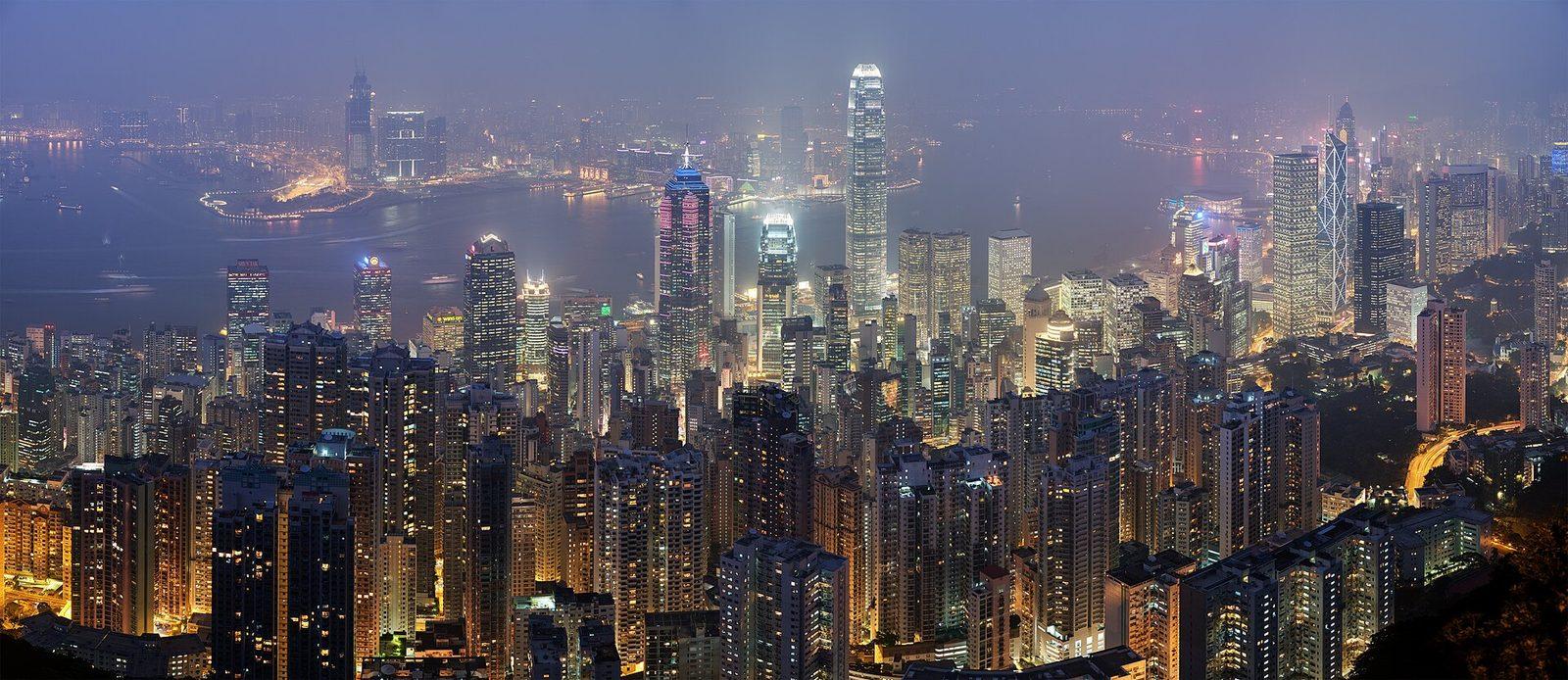
Compare flights when you’re ready.
In pictures
Open a photo for a closer look.
01Official rules: where they are set
Entry and exit rules, laws that differ from Canada's and the current safety assessment for Hong Kong are published by the Government of Canada in its travel advice for Hong Kong, linked in the sources below. Hong Kong is a special administrative region of China, and its own authorities decide who can enter. The Government of Canada states that a regular Canadian passport must be valid at least 1 month beyond the date a traveller expects to leave Hong Kong. The Immigration Department of Hong Kong is the authority for entry questions, because the detailed visa rules are not repeated here.
A side trip changes the paperwork. Canada's page notes that travellers who plan to visit or transit mainland China need the visa position settled before the trip, and that travel between Hong Kong, Macao and mainland China can require a visa allowing multiple entries. Canada's page also states that all travellers are subject to body temperature screening upon entry into Hong Kong. Neither set of detailed rules is stated on this page, so the Canada page and the Immigration Department are the checks to make before booking.
02Getting there and around: verified transport information
Hong Kong International Airport, HKG, sits at Chek Lap Kok on Lantau Island. The airport's own transport pages list the ways in and out: the Airport Express, public buses, taxis, residents' coaches and transport for special needs, and describe the Airport Express as the quickest way to and from the city. The MTR, which runs the Airport Express, puts the ride between Hong Kong Station and the airport at about 24 minutes, with trains departing every 10 minutes. The line also stops at Kowloon Station and Tsing Yi on the way, so the station to choose is the one nearest the hotel, not simply the end of the line.
The MTR publishes the Airport Express fares. By Octopus, contactless bank card or QR code, the adult single fare is HK$120 to Hong Kong Station, HK$105 to Kowloon Station and HK$73 to Tsing Yi. A single journey Smart Ticket costs more for the same ride: HK$130, HK$115 and HK$80 on the same three routes. The MTR lists the child fare, ages 3 to 11, at HK$60 by Octopus to Hong Kong Station, and children under 3 travel free. Round trip tickets are valid for 30 days from the date of issue, according to the same fares page.
Inside the city, the MTR network, buses, trams and ferries run across both sides of the harbour, and the payment that joins them is the Octopus card. The MTR describes Octopus as a stored value smart card that automatically deducts fares for most major local transportation modes. Octopus Cards Limited, the card's operator, lists the Tourist Octopus, sold version, at HK$39 without initial stored value, and describes Octopus payment on phones as accepted at nearly 190,000 points, covering public transport, dining, entertainment and shopping. The Star Ferry crosses the harbour between Tsim Sha Tsui, Central and Wan Chai, and the Hong Kong Tourism Board presents it among the harbour's working crossings.
Taxis are the door to door option, and two notes govern them. The airport lists taxis among its ground transport, with transport for special needs as a separate service. Canada's travel advice states that most taxi drivers do not speak English or French, and advises carrying the name and address of the destination written in Chinese characters, using only officially marked taxis, and insisting the driver use the meter. Step-free access varies by station across the MTR, so travellers who need lifts or level boarding should check the specific stations of the trip before choosing a base.
03Getting it right on the ground: practical customs that vary
The currency is the Hong Kong dollar. Octopus covers transport and a wide range of everyday payments, and cards are accepted in hotels, larger shops and restaurants. Cash in small notes stays practical for market stalls, small eateries and the taxis that still run mainly on cash or a specific payment app. The figure to settle before flying is not an exchange rate but the card balance: a stored value card that runs low at a gate is the common first-day stall.
Cantonese is the everyday spoken language, and English is widely used in hotels, at the airport and on transport signage, which is bilingual in Chinese and English across the MTR. The pocket guide below gives Cantonese phrases with the Chinese characters and a Jyutping romanisation, because the characters are what a taxi driver or a sign shows. Mobile data works across the city, and the eSIM checklist linked below covers setting data up before landing so the first Airport Express ride can be planned from the arrivals hall.
On fraud, Canada's travel advice is specific: credit card and ATM fraud occurs in Hong Kong. The habits the same page sets out are to pay careful attention when others handle a card, to use ATMs located inside a bank or business, to avoid card readers with an irregular feature, to cover the keypad when entering a PIN, and to check account statements for unauthorised transactions. A card or payment offer that departs from those settings is the one to refuse.
04Optional courtesies
A greeting in Cantonese, nei hou, and the two thank yous carry a visitor a long way: m goi for a service, a favour or getting past someone, and do jeh for a gift or something given. None of this is expected of a visitor, and English works in most dealings, but the words themselves open the exchange. The pocket phrases below give the characters and the romanisation together.
Queueing is the system at ferry piers, station gates and bus stops, and standing aside to let passengers off an MTR train before boarding keeps the platforms moving. On escalators the standing side is the right, as in London. A seat offered to an older passenger or a passenger carrying a child is a small courtesy that is noticed. In restaurants, tea is often poured for others at the table before one's own cup, and tapping the table lightly with two fingers is the quiet thank you for it.
05Where to stay: Tsim Sha Tsui, Central and Sheung Wan
Tsim Sha Tsui, at the southern tip of Kowloon, is the harbour view base: hotels and shopping streets run back from the waterfront, and the promenade, the Avenue of Stars and the Star Ferry pier sit at the front. The Hong Kong Tourism Board lists the Tsim Sha Tsui waterfront among the places to see the skyline, and the MTR station puts the Island one ride away under the harbour. Kowloon Station, one stop west, is the other Airport Express arrival, with the West Kowloon cultural district beside it.
Central, on Hong Kong Island, is the business base: Hong Kong Station, the Airport Express terminus, sits under the towers, the Central piers and the harbourfront are at the door, and the ferries to Tsim Sha Tsui leave from Pier 7. Sheung Wan, one stop west of Central, is the quieter third base, of older streets, dried seafood and medicine shops and smaller hotels, still on the same Island line. The choice is between Tsim Sha Tsui for the classic view across the water and evening promenade, Central for the Airport Express at the door and the Island's sights, and Sheung Wan for a calmer street at a shorter walk from Central.
06Walking: the promenade and the harbourfront
The Tsim Sha Tsui promenade is the signature walk. From the Clock Tower by the Star Ferry pier it runs east along the Kowloon waterfront, past the Cultural Centre and the Avenue of Stars, with the Hong Kong Island skyline across the water the whole way. The surface is wide, paved and largely level, and the Hong Kong Tourism Board presents this waterfront as the classic place to take in the harbour.
On the Island side, the Tourism Board gives the Hong Kong Island section of the harbourfront at 13 kilometres, running past Central's piers and event spaces towards Wan Chai. The two walks join by water rather than by land: the Star Ferry between the Tsim Sha Tsui and Central piers is the link, and it is short enough to use as part of a walk rather than as a trip in itself. Behind Central the ground climbs steeply, so the harbourfront and the promenade are the flat walking, and the hills are a second-day decision.
07A first day in Hong Kong: one train, one harbour walk, an early night
Morning: land at Hong Kong International, pass the entry checks, and ride the Airport Express to the station nearest the hotel, Hong Kong Station for Central and Sheung Wan, Kowloon or the MTR onward for Tsim Sha Tsui. Buy an Octopus on arrival, check in or leave the bags, and walk the immediate streets to fix which side of the harbour the base is on before any sightseeing.
Afternoon: take the flat walk the base offers. From Tsim Sha Tsui, follow the promenade east from the Clock Tower at an easy pace. From Central, walk the harbourfront towards Wan Chai, or cross on the Star Ferry and walk the Kowloon side instead. One side of the harbour, walked well, is enough for an arrival day; the other side keeps.
Evening: eat near the hotel, ride the Star Ferry back across the harbour after dark if the base allows it, and learn the nearest MTR station's exits while the streets are still busy. Temple Street's night market in Yau Ma Tei is the Kowloon side evening option for a short stay. Keep the night early: the Peak, the outlying islands and the second side of the harbour all belong to a rested second day.
08Common visitor mistakes
Buying a single journey Smart Ticket for the Airport Express at HK$130 to Hong Kong Station when the same ride costs HK$120 on Octopus, contactless card or QR code, on the MTR's own fares page. Riding to Hong Kong Station by habit when the hotel is in Tsim Sha Tsui, which Kowloon Station and the MTR serve directly. Arriving without an Octopus and paying cash fares ride by ride across a system built around the card.
Taking a taxi without the destination written in Chinese characters, which Canada's travel advice flags directly. Treating the airport as part of the city: it sits on Lantau Island, and the Airport Express ride of about 24 minutes is the fastest leg of a longer door to door journey. Planning the whole trip on one side of the harbour and leaving the promenade and the ferry crossing, the two things the Tourism Board leads with, to a leftover hour.
09Safety
The Government of Canada's travel advice for Hong Kong, linked below, is the primary source for the current safety assessment, laws and entry requirements, and it should be read before booking and again before flying. Canada's page notes that petty crime such as pickpocketing and purse snatching occurs particularly at the airport, on public transportation, in main shopping areas and markets, in hotel lobbies, on crowded streets and at tourist attractions, and that belongings, including the passport, should be secure at all times.
Two further notes come from the same page. Foreigners have been targeted in drink spiking incidents, particularly in the Wan Chai area, so food and drinks should never be left unattended or in the care of strangers. Demonstrations are illegal without prior approval, and Canada's advice to anyone who encounters one is to avoid the area, not film or photograph it, follow local authority instructions and monitor local media.
10If you're flying with something particular
Mobility: the Airport Express stations and Hong Kong Station are the most predictable step-free part of the network, while older MTR stations vary, so the specific stations of a stay belong in the planning. The airport lists a dedicated transport for special needs service among its ground transport options. Airport assistance is arranged through the airline before flying, and the mobility pages linked below cover what to request and when.
Family and medical: the MTR's fares make the maths simple for families, with children aged 3 to 11 at half the adult Octopus fare on the Airport Express, HK$60 to Hong Kong Station, and children under 3 travelling free. The harbour crossings and the promenade are the stroller friendly first day, and the hills behind Central are not. Travellers with medication or medical equipment should carry it in cabin baggage and check the airline's own rules, and Canada's page notes that all travellers face body temperature screening on entry, which is worth a mention to anyone travelling with a condition that affects temperature readings.
Stay a little longer
Tsim Sha Tsui or Central?
Choose the base that fits the trip. Switch between the two areas while keeping the same dates.
Before booking in Tsim Sha Tsui
- Check which MTR station serves the hotel, Tsim Sha Tsui or East Tsim Sha Tsui, and the walk between them with luggage.
- Ask for a harbour facing room only if the view is the point of the stay, and confirm which floor it starts on.
- Confirm the route from Kowloon Station or the Airport Express onward ride before booking flights.
Choose a check-in date, then a duration to set check-out.
Still planning? Leave both dates blank to browse.
Your destination: Tsim Sha Tsui
Affiliate link through Stay22. FlyingWith may earn a commission if you book. The booking provider handles prices and payment.
Going somewhere else? Search worldwideReuse them on other accommodation searches and in another language. Only the dates are kept; clear them when your trip changes.
What should the property confirm?
Choose the arrangements you want to check before paying.
These are questions for the property. They do not filter the search results, and your choices stay on this page.
Keep a useful travel checklist in your inbox
Get the free checklist link and occasional FlyingWith travel tips. Your saved trip answers stay on this device.
Open the free trip checklist →Take it with you
Your pocket guide
Keep your next steps and useful phrases together in a colourful PDF travel card, ready to save or print.
Before you book
0 of 4 checked
Your checks stay in this tab when you reload or return to this guide. Reset them here, or close the tab when you finish.
Add a calendar reminder
A few useful words
Cantonese
Cantonese is the spoken language of Hong Kong; signs pair Chinese characters with English. The phrases below are in Jyutping romanisation only.
- Nei5 hou2.
- Hello.
- M4 goi1.
- Thanks for a service; also please, excuse me.
- Do1 ze6.
- Thank you for a gift or something received.
- Cing2 man6.
- Excuse me, may I ask.
- Zung1 waan4 dim2 heoi3?
- How do I get to Central?
- Gei2 do1 cin2?
- How much is it?
Official sources
Rules and amounts change. Before you rely on anything marked as an official rule, check the source. These are the official pages we used.
- Travel advice and advisories: Hong Kong · Government of Canada · checked Entry and exit requirements for Canadians, passport validity, fraud and petty crime notes, and the current safety assessment for Hong Kong.
- To and from the airport: overview · Hong Kong International Airport (Airport Authority Hong Kong) · checked The ground transport options at Hong Kong International Airport: Airport Express, public buses, taxis, residents' coaches and transport for special needs.
- Airport Express tickets and fares · MTR Corporation · checked Airport Express fares by Octopus, contactless card, QR code and Smart Ticket, child fares, and how Octopus payment works on the MTR.
- Victoria Harbour · Hong Kong Tourism Board · checked The official visitor account of Victoria Harbour: the Tsim Sha Tsui waterfront, the Island harbourfront and the Star Ferry crossings.
- Choice of Octopus · Octopus Cards Limited · checked The Octopus cards offered to visitors, including the Tourist Octopus price, and where Octopus payment is accepted.
- Airport Express fares and timetables on the day: the MTR.
- Entry rules and safety updates for Hong Kong: the Government of Canada.
- Ground transport options and special needs transport at the airport: Hong Kong International Airport.
- Which Octopus card fits the trip, and its refund rules: Octopus Cards Limited.
Share this guide
Saves a reading copy on this device, visible to anyone using it. Checklist answers and bookings are not saved. Browser storage can be cleared automatically; check your saved guides before travelling.
Help keep this page accurate
Opens an email draft with this page’s public link. You can review it before sending.
Continue planning
Flying there with a particular need
Not sure which applies to your trip? Build your trip profile
Travelling with others? Split costs without accounts.
Before you fly there
- Airport Transfer Checklist: Compare the Whole JourneyCompare public transport, taxis and prebooked airport transfers. Check pickup instructions, total cost, luggage, access and delay terms before paying.
- Travel eSIM Checklist: What to Check Before BuyingCheck device compatibility, coverage, activation and plan limits before buying a travel eSIM. Compare it with roaming and a local SIM, then save a backup.
Travel essentials
Complete your travel plans
Choose the service you need, then compare the offer and its terms with the provider.
Mobile data for your trip
Compare an eSIM with your carrier’s roaming offer and a local SIM. An eSIM only helps if your exact device and the plan suit the trip.
Affiliate partner options
Affiliate links through Travelpayouts. FlyingWith may earn a commission on an eligible purchase or paid service.
Build my eSIM shopping list →Checks before choosing
Installing an eSIM and starting its validity period can be different events. Follow the chosen plan’s instructions. The checklist is a reminder, not an automatic device check.
- Check the device model, purchase region and network lock with the provider before paying.
- Compare the countries covered, data allowance, validity start, hotspot rules and any speed limits.
- Check whether calls and SMS are included. Save maps, the hotel address and installation instructions for offline use.
Getting from the airport
Compare the airport’s official public transport and taxi information with a prebooked transfer. Choose based on the whole journey to your accommodation.
GetTransfer is a transfer marketplace. Availability and suitability depend on the offer; a listed vehicle does not confirm accessible transport or a child seat.
Affiliate partner options
Affiliate links through Travelpayouts. FlyingWith may earn a commission on an eligible purchase or paid service.
Take these details to your airport pickup quote
Copy these questions into your request. A marketplace listing alone does not confirm a child seat or accessible vehicle.
0 of 4 pickup details reviewed
Checks before choosing
- Confirm the exact terminal, meeting point, luggage space and contact method if your flight changes.
- Ask for written confirmation of any child seat, pet or mobility requirement before payment.
- Read the total price, waiting policy, cancellation deadline and refund method for the specific offer.
The provider handles prices, booking terms, payment and support. Review the details there before paying.
Sources checked